
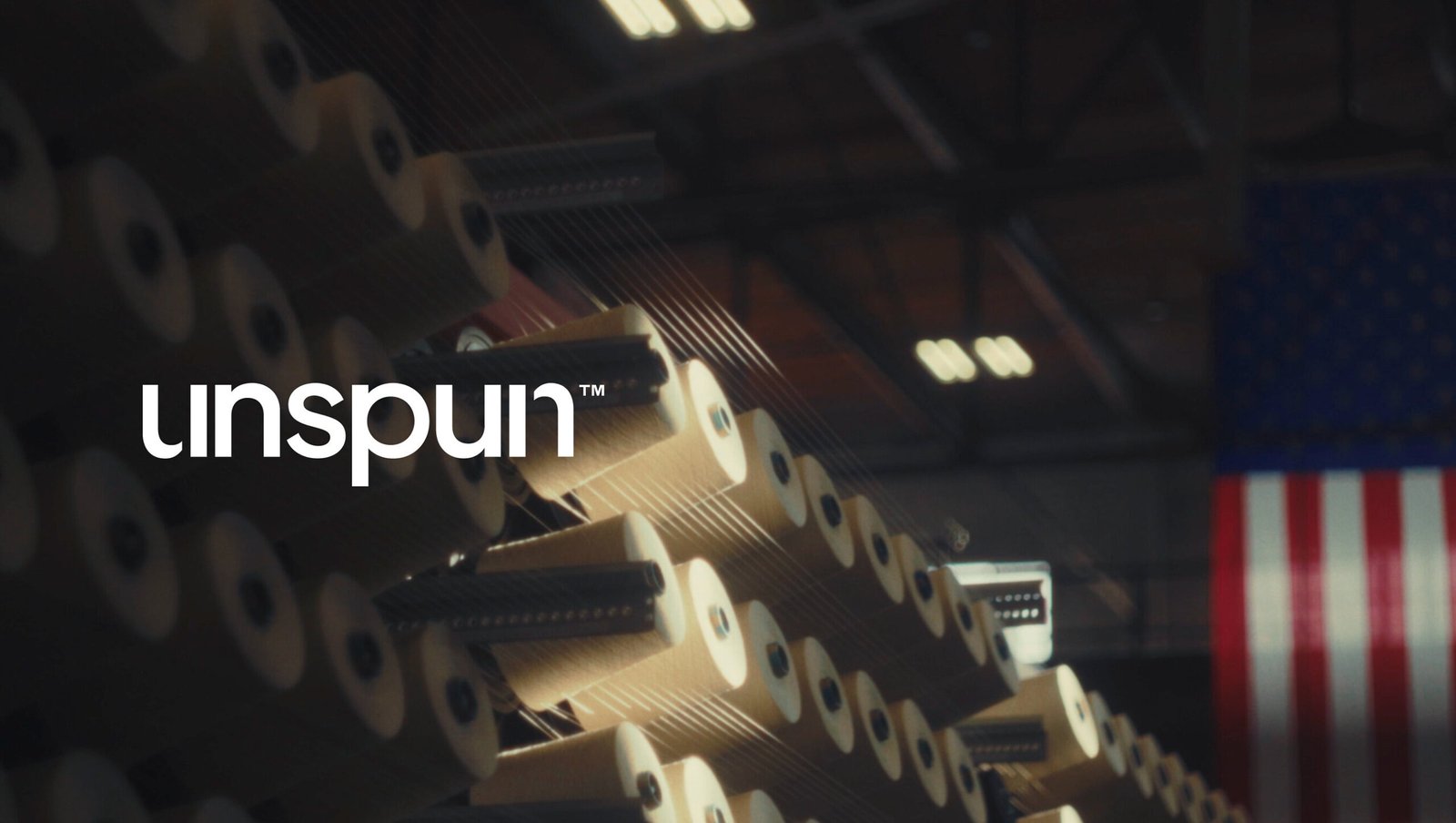
Arvind Limited is bringing 3D weaving into its Ahmedabad factory through a partnership with unspun, a B Corp-certified fashion technology company. Announced on 9 November 2026, the deal makes Arvind the first customer for unspun’s OneWeave machines and moves the technology from unspun’s microfactory into a major apparel supplier’s production operations.
Arvind Limited is set to become the first customer for unspun’s OneWeave machines under a partnership announced on 9 November 2026. The Indian textile and apparel manufacturer plans to install two machines at its Ahmedabad facility, bringing the B Corp-certified fashion technology company’s 3D weaving system from its own microfactory into the production operations of a major apparel supplier.
The agreement gives brands a route to order garments made using the technology through Arvind. The manufacturer will contract directly with brands, while unspun will install and commission the equipment, train staff and provide software and ongoing support. The companies expect the first two machines to be operational by December 2026 and have outlined a possible rollout of more than 30 additional machines across India, North America or both in 2027 and 2028.
OneWeave uses 3D weaving to give garment components their shape as they are woven from yarn. In conventional cut-and-sew production, manufacturers cut those components from flat fabric, leaving offcuts between the pattern pieces. Weaving the shape directly can reduce the need for cutting. For brands, the commercial opportunity lies in ordering fewer units upfront and replenishing styles once sales show where demand is strongest. That depends on whether the factory can deliver smaller runs at a viable unit cost and on lead times that give brands room to change their orders.
Arne Arens, chair of unspun’s board, said the technology was designed to help brands “respond to demand in weeks instead of months, reduce waste and markdown exposure, and move closer to making only what is needed.” He also pointed to the potential to bring production closer to major markets in the US and Europe as the technology expands.
For Arvind, the installation is an investment in how it produces and replenishes apparel for global customers. Karan Ojha, chief executive of Arvind’s wovens business and centre of excellence, said the technology had the potential to “significantly reduce manufacturing complexity, improve material utilisation and enable faster replenishment cycles for global apparel brands.”
The companies gave no figures for machine output, minimum order sizes, lead times or material savings in Ahmedabad. Those are the measures that will determine whether brands can commit to less stock at the start of a season and still replenish a strong seller in time. The first two machines will give Arvind a factory setting in which to test that proposition before a wider rollout.