
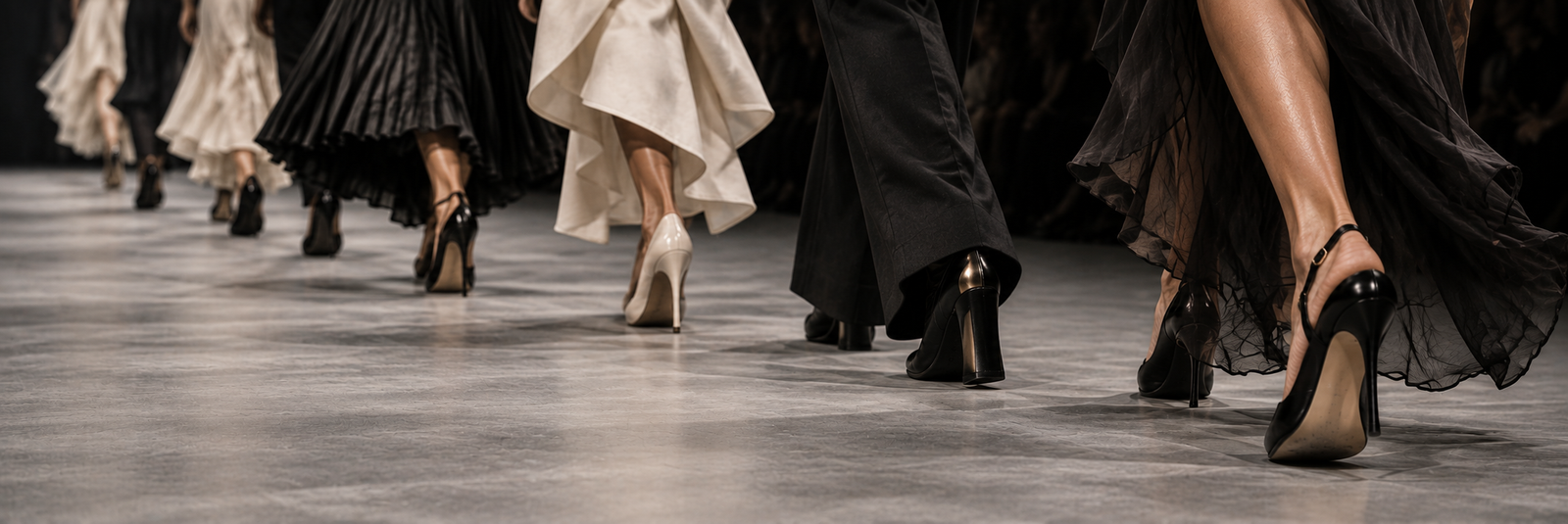
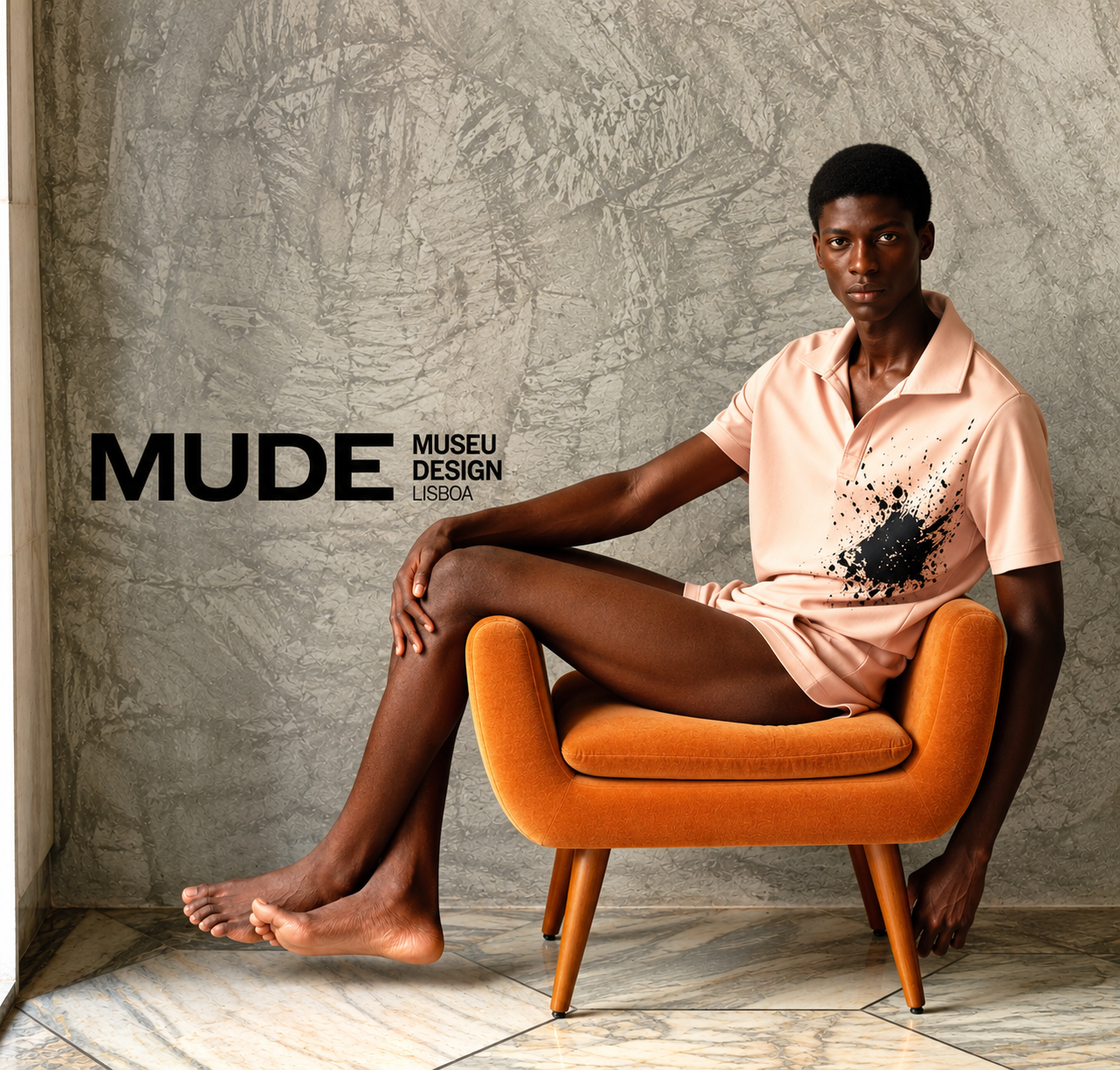
At Lisbon’s MUDE – Museu do Design, fashion is moving beyond the exhibition space and into everyday wardrobes. The museum’s first 28-piece fashion capsule collection, developed and manufactured entirely in Portugal, brings together circular design, textile innovation and seasonless dressing, exploring how a cultural institution can translate its design philosophy into clothing intended to be worn rather than simply observed.
Museums have long shaped the way fashion and design are understood, preserving objects, documenting creative movements and placing craftsmanship within a broader cultural context. Yet their relationship with the industries they represent is not confined to collecting and exhibiting. At MUDE – Museu do Design in Lisbon, that relationship has taken a tangible form: a fashion collection conceived not for display behind glass, but for everyday life.
With its first capsule collection, the museum steps beyond its role as a custodian and interpreter of design to become an active participant in its creation. The initiative brings together Portuguese textile expertise, innovative materials and an approach to clothing centred on longevity, adaptability and responsible production. Comprising 28 garments available exclusively through the museum shop, the collection reflects MUDE’s belief that design can serve as a tool for identity and transformation.
Rather than following the conventional rhythm of seasonal fashion, the collection was conceived as a timeless wardrobe, with pieces designed to accommodate different generations, body types and personal styles. Its emphasis on versatility reflects a broader understanding of longevity: clothing should not only be made to last, but remain relevant to the people who wear it. In this context, MUDE approaches fashion as an expression of individual identity and everyday functionality rather than a cycle of continual renewal.
Circularity as a Design Principle
At the heart of the collection is an approach to circularity that begins long before a garment reaches the wardrobe. Material selection, pattern construction, manufacturing techniques and eventual recyclability have been considered as interconnected elements of the design process, reflecting the growing importance of life-cycle thinking in contemporary fashion.
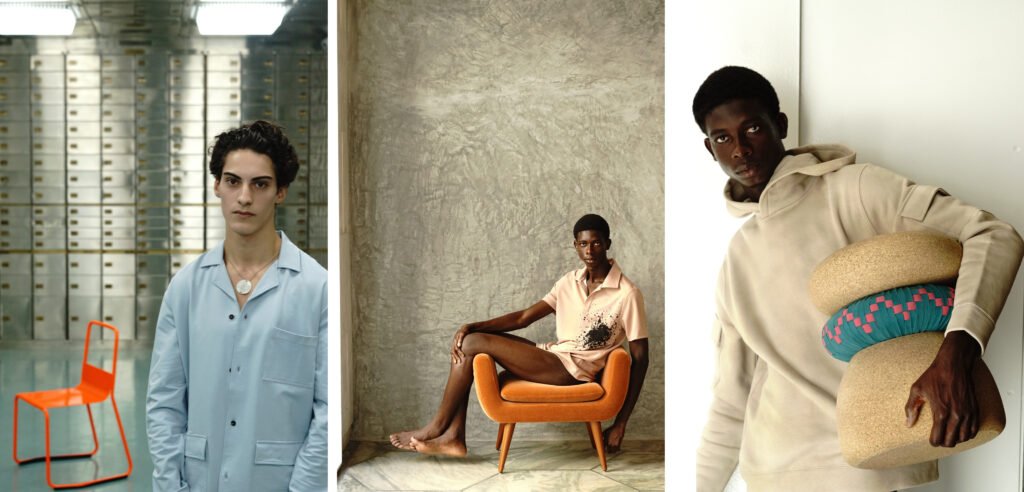
Developed and manufactured entirely in Portugal, the garments draw on innovations within the country’s textile and clothing industry, incorporating biomaterials, recycled raw materials and advanced finishing processes. According to MUDE, the collection brings together production approaches associated with green energy, reduced use of harmful chemicals and improved biodegradability. Among the innovations highlighted are fibres incorporating recycled plastic collected from the Mediterranean, connecting the initiative to wider developments in textile material recovery and resource efficiency.
Environmental considerations extend to the details of garment construction. Water-free printing techniques introduce visual elements without requiring water during the printing process, while carefully developed patterns are intended to minimise textile waste. Adaptable cuts and a reduced reliance on zippers and buttons contribute to a design language that favours versatility, comfort and simplicity without sacrificing functionality.
The collection also considers the materials’ future beyond the garment’s useful life. By selecting materials from the same fibre family, MUDE has sought to facilitate end-of-life recycling, incorporating material compatibility into the design process from the outset. This approach reflects an important development in circular fashion thinking, where the potential for material recovery is increasingly considered alongside aesthetics, performance and wearability.
Together, these decisions illustrate a design philosophy in which circularity is not confined to fabric selection but informs the relationship between materials, construction and the life of the garment itself. For MUDE, sustainability becomes part of the creative process, shaping how clothing is conceived rather than being introduced as an additional attribute.
Portuguese Textile Innovation Meets Seasonless Design
To translate this vision into a wearable collection, MUDE turned to Paulo Gomes, a longstanding figure in Portuguese fashion whose career spans editorial direction, creative production and textile innovation. A former Fashion Director of ModaLisboa, Gomes is a co-founder and creative curator of iTechStyle Green Circle, an initiative associated with Portugal’s textile and clothing technology centre, CITEVE, that brings together sustainable materials, textile innovation and collaborations with Portuguese designers.
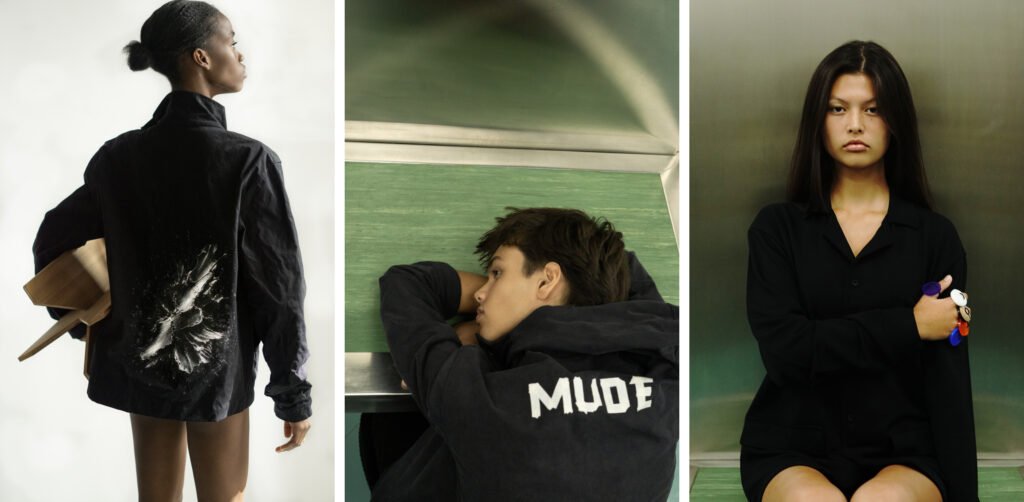
For MUDE, Gomes brought together his experience across fashion and manufacturing to develop the collection and oversee its production. The resulting wardrobe draws on both traditional clothing references and contemporary silhouettes, reinterpreting familiar garments such as aprons, scarves, vests and knitwear alongside polo shirts, long coats, layered skirts, hooded jackets, cropped vests and blouses. Rather than being designed for a particular season or demographic, the pieces offer adaptable silhouettes intended to move between different styles, occasions and generations.
A restrained palette of white, black, midnight blue, grey and powder pink lends the collection a cohesive visual identity, while printed details introduce subtle variation. Functionality remains central to the designs, with particular attention given to pockets, cuffs and adaptable proportions that allow garments to respond to different needs and ways of wearing them.
This cross-generational perspective offers an alternative to fashion’s traditional approach to categorising consumers. Instead of defining garments by age or narrowly prescribed aesthetics, MUDE places personal expression at the centre of its design philosophy. A thoughtfully conceived piece can remain relevant through changing preferences and stages of life, making longevity as much a question of emotional and practical connection as material durability.
The collection also reflects the capabilities of Portugal’s textile and clothing industry, where manufacturing expertise and material innovation play an important role in developing more responsible production methods. By keeping the entire development and manufacturing process within Portugal, MUDE connects its cultural mission with the country’s industrial knowledge, illustrating how design institutions and textile specialists can contribute to a shared creative project.
For a museum, however, the significance of such an initiative extends beyond the garments themselves. Fashion exhibitions traditionally invite visitors to observe and interpret objects within a curated environment. MUDE’s capsule collection introduces a different form of engagement, allowing the principles explored through design research and cultural programming to become part of the experience of getting dressed.
Available exclusively through the museum shop, the collection brings cultural expression into a practical, commercial setting. Its seasonless silhouettes, material choices and attention to circularity translate ideas often discussed within sustainable fashion into garments intended for everyday use.
In doing so, MUDE opens a conversation about the evolving role of cultural institutions within the fashion industry. Museums are not only places where the history of design is preserved and its contemporary significance examined; they can also provide space for experimentation, collaboration and new approaches to making.
From the exhibition gallery to the wardrobe, MUDE’s first fashion capsule collection illustrates how design can move between cultural discourse and daily life. By combining Portuguese textile innovation with circular thinking and a focus on the wearer, the museum offers a perspective on fashion in which the value of design is realised not only through what is created, but through how it becomes part of everyday experience.
The 28-piece MUDE fashion capsule collection is available exclusively at the museum shop, Rua Augusta 24, Lisbon, Portugal.
Further information is available at MUDE – Museu do Design and on Instagram @mudemuseu