
Green Fashion Week’s 14th edition brought international designers, material innovation and traditional craftsmanship to Milan, alongside a new retail concept intended to support independent fashion businesses beyond the runway. In an exclusive conversation with The Fashion Issue, co-founder Mikel Guido Dolci reflects on the collections, the lessons of this year’s edition and the organisation’s transition towards a permanent platform.
Milan’s September fashion calendar has long been a meeting point for established luxury houses, emerging designers and the international fashion industry. This year, Green Fashion Week returned to the city with a programme that placed responsible design alongside a wider discussion about the commercial structures needed to support its future.
Held from 22 to 28 September 2026, the event’s 14th edition inaugurated the Major Virtual Tunnel, a 250-metre underground space at Piazza De Angeli, with runway presentations, a Green Fashion Marketplace, workshops and business networking. The international line-up brought together designers working with textile upcycling, regenerated materials, traditional craftsmanship and contemporary design, illustrating the increasingly diverse approaches to sustainability within the industry.
The Milan edition also marked a turning point for Green Fashion Week itself. Having previously taken its programme to destinations including Abu Dhabi, Dubai, Rome, Switzerland, Portugal and Croatia, the organisation is moving beyond the conventional fashion-week format towards a permanent environment designed to connect brands, consumers, technology and commercial opportunities.
For me, this Milan edition represented an important transition: Green Fashion Week moved from being primarily an event to becoming part of a permanent platform.
That transition provided the wider context for a week in which the collections remained central, while the conversation increasingly extended to what independent fashion businesses need after the runway lights have gone down.
Different Materials, Distinct Creative Identities
The opening runway programme on 23 September brought together Danish designer Victoria Ladefoged, New York-based KROMAGNON and Spain’s RAÍCES, establishing a dialogue between resource-conscious design, contemporary urban fashion and regional creative development.
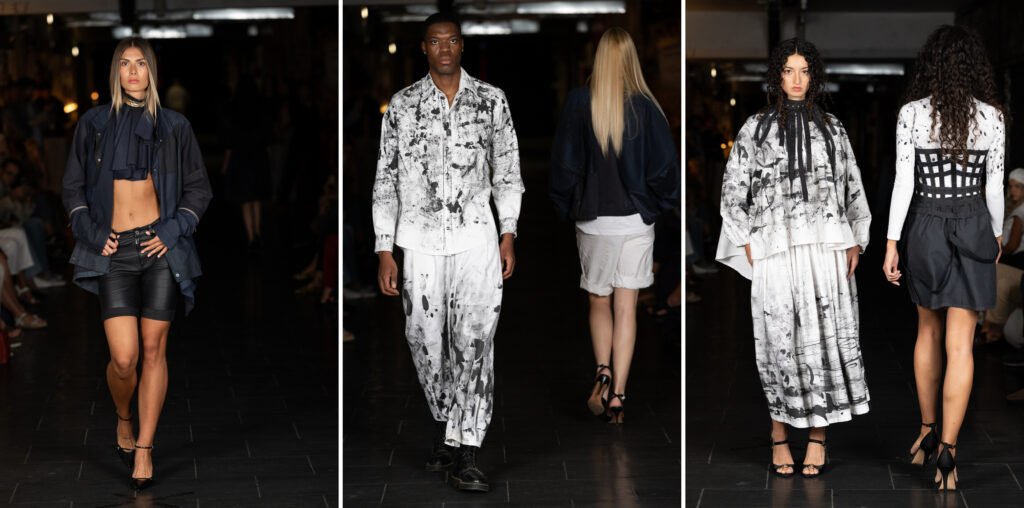
For Victoria Ladefoged, existing textiles provide the starting point for a design practice that challenges conventional ideas about material value. The Danish designer transforms discarded fabrics, including professional aprons, tea towels and bedsheets, into contemporary clothing produced locally in small quantities. Working with materials that already have a history requires a different approach to construction, with the available fabric influencing the possibilities of each garment rather than being selected to fulfil a predetermined design. Her participation in Milan introduced a perspective on upcycling in which resourcefulness and creativity are closely connected. Rather than treating discarded textiles as a limitation, Ladefoged’s practice explores their potential to become individual pieces with a new purpose, raising questions about the relationship between material availability, small-scale production and the distinctive character of clothing made from existing resources.
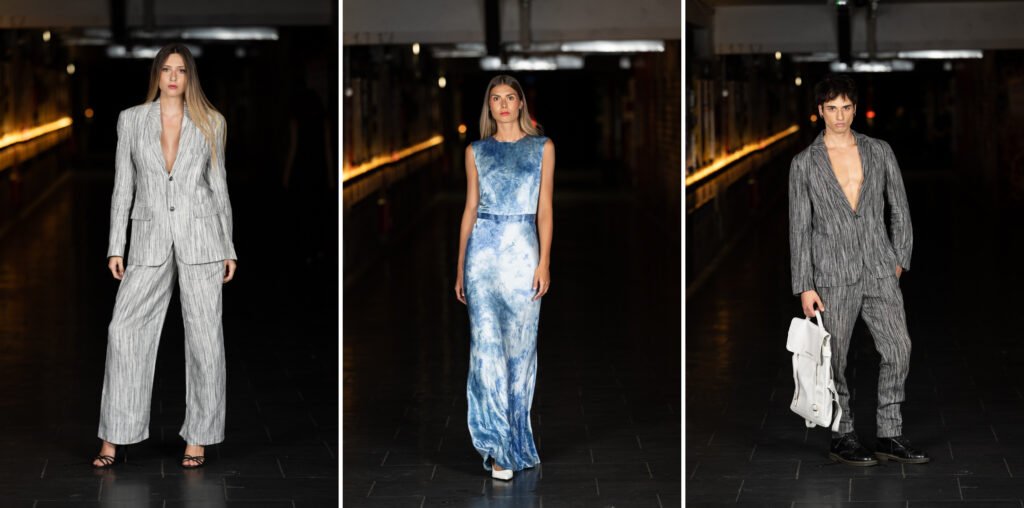
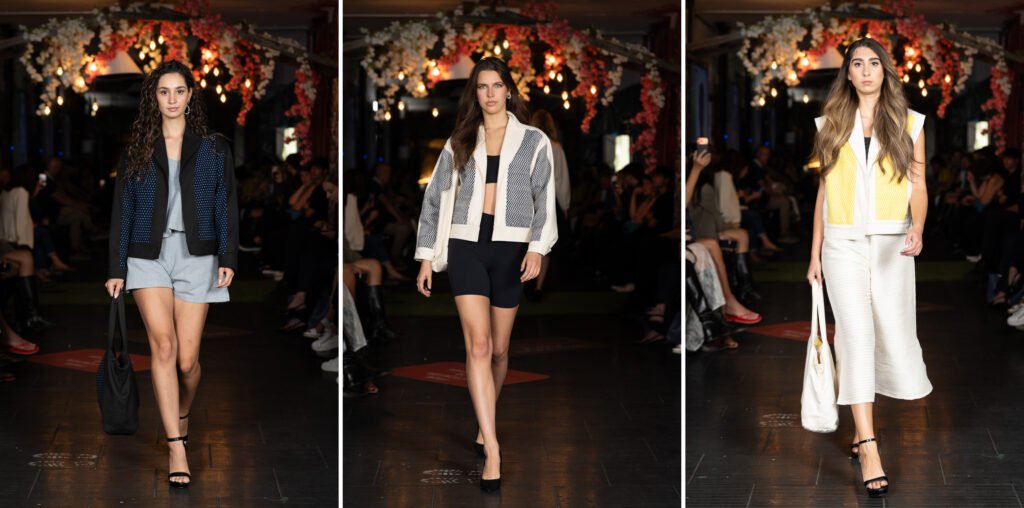
KROMAGNON approached responsible fashion from a different aesthetic direction. Founded by Fashion Institute of Technology graduate Kristen Luong, the New York label combines contemporary streetwear with an emphasis on local production and considered textile sourcing. Its material repertoire includes hemp, Tencel, organic cotton and recycled fibres, placing familiar wardrobe categories within a more resource-conscious production framework.
The label’s presence contributed to an important distinction within the programme: responsible fashion does not necessarily require a separate visual identity. For brands operating within contemporary streetwear, the challenge is to reconcile the practical demands of everyday clothing with decisions about sourcing, production and durability while retaining the creative language that defines the brand.
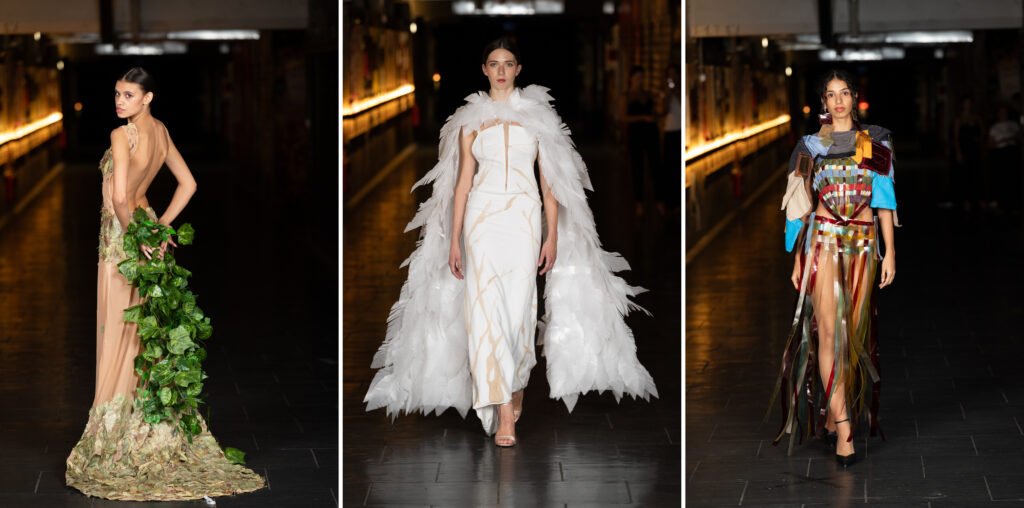
Completing the opening programme, RAÍCES brought a collective perspective from Asturias, Spain. Centred on emerging talent, training, circular fashion and craftsmanship, the initiative connects contemporary creativity with the development of regional skills and opportunities for new designers. Its participation broadened the discussion beyond individual labels to consider the role of education, creative communities and local knowledge in shaping fashion’s future.
Together, the opening presentations demonstrated how responsible design can develop through different priorities. For some, the emphasis lies in transforming existing materials; for others, it is embedded in sourcing and production or in creating opportunities for emerging creative talent.
Craftsmanship and Material Innovation on the Milan Runway
The second series of Green Fashion Shows, held on 26 September, brought together Prophetik, VÄV and Krié Design. Their approaches connected fashion with environmental advocacy, the preservation of traditional skills and the development of alternative materials.
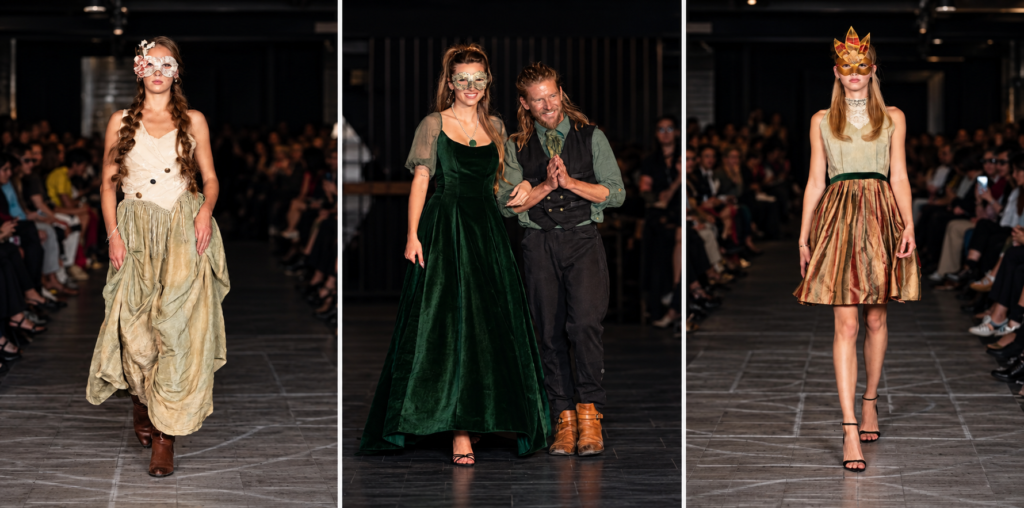
American designer Jeff Garner presented “Hungry Eyes”, Prophetik’s Spring/Summer 2027 collection, continuing a creative practice in which clothing and environmental responsibility are closely intertwined. Garner’s work extends beyond the conventional boundaries of fashion design through his involvement in Let Them Be Naked, a documentary examining the relationship between textiles, clothing and human health, executive produced by Suzy Amis Cameron.
Within the Milan programme, “Hungry Eyes” represented a perspective in which the creative expression of a collection forms part of a wider environmental conversation. Garner’s approach considers clothing not simply as a finished product but as something connected to the materials, processes and decisions that shape its relationship with the wearer and the natural world.
Where Prophetik connects fashion with environmental advocacy, Swedish label VÄV approaches responsible design through the preservation of craftsmanship and the adaptation of traditional techniques to contemporary clothing. Founded by Emma Bogren, the brand works with traditional Guatemalan weaving, including Maya-woven cotton brocade, and incorporates leftover textiles from French fashion houses.
These materials bring different production histories into the same design process, combining artisanal knowledge with resources that might otherwise remain unused. Versatility is another element of VÄV’s philosophy, reflected in adaptable garments such as jackets with detachable sleeves, which allow a single piece to be worn in different ways.
Beyond material reuse, VÄV’s work draws attention to the social and cultural dimensions of sustainability. Traditional weaving represents knowledge developed and transmitted across generations, making the preservation of craft inseparable from the people and communities responsible for maintaining it. The brand’s approach places craftsmanship within a broader discussion about how contemporary fashion can support traditional skills while creating products for an international audience.
Croatian designer Kristina Burja, founder of Krié Design, brought another material perspective to Milan through her exploration of Gin Skin™, a vegan leather alternative developed from botanical residues left over from gin production. Created by Croatian material developer Sabant, the material has been incorporated into designs including a jacket, dress, skirt and bag, demonstrating its potential application across different product categories.
The collection’s creative direction drew inspiration from the Adriatic, connecting material experimentation with the designer’s Croatian identity. Its use of Gin Skin forms part of a longer engagement with circularity that extends beyond the development of individual collections.
Through the Krie x Provir initiative, established with Croatian fisherman Božidar Blaslov, Burja has worked to address discarded fishing nets in the Adriatic and support their transformation into ECONYL® regenerated nylon. While the two materials originate from different waste streams, both reflect an interest in developing new applications for resources that have reached the end of their original use.
Krié’s participation was also significant within the history of Green Fashion Week. Burja has maintained a long-standing relationship with the organisation, presenting her work across multiple international editions while developing a recognisable creative identity rooted in femininity, versatility and responsible design.
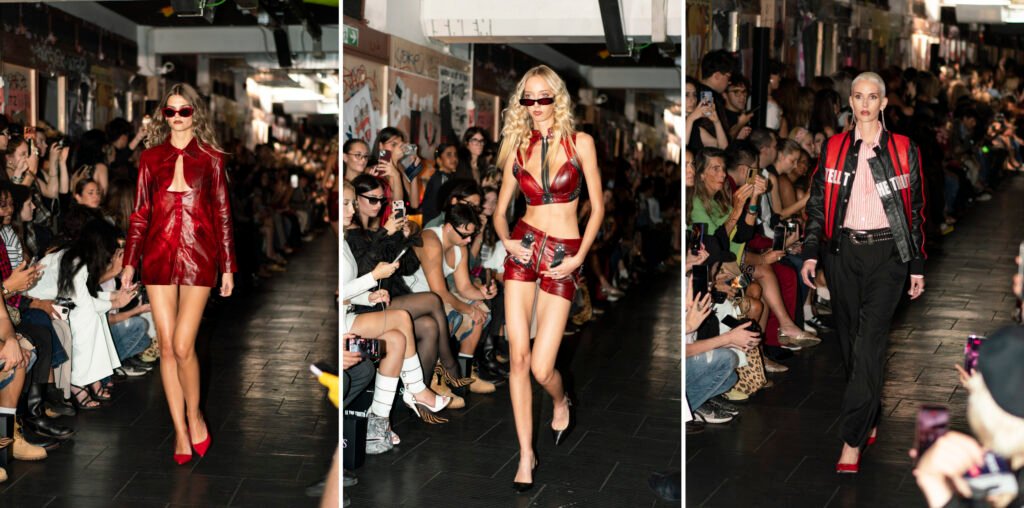
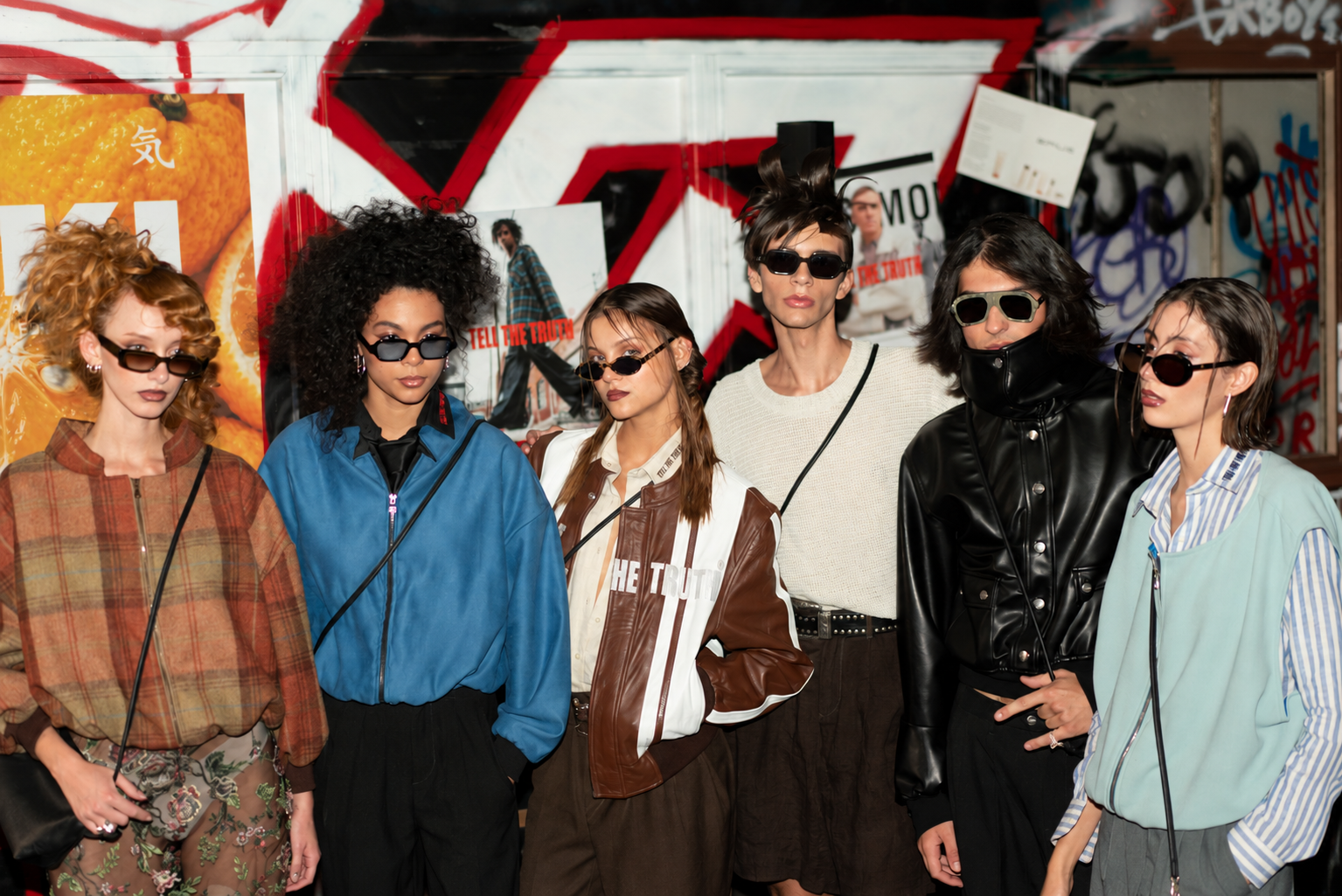
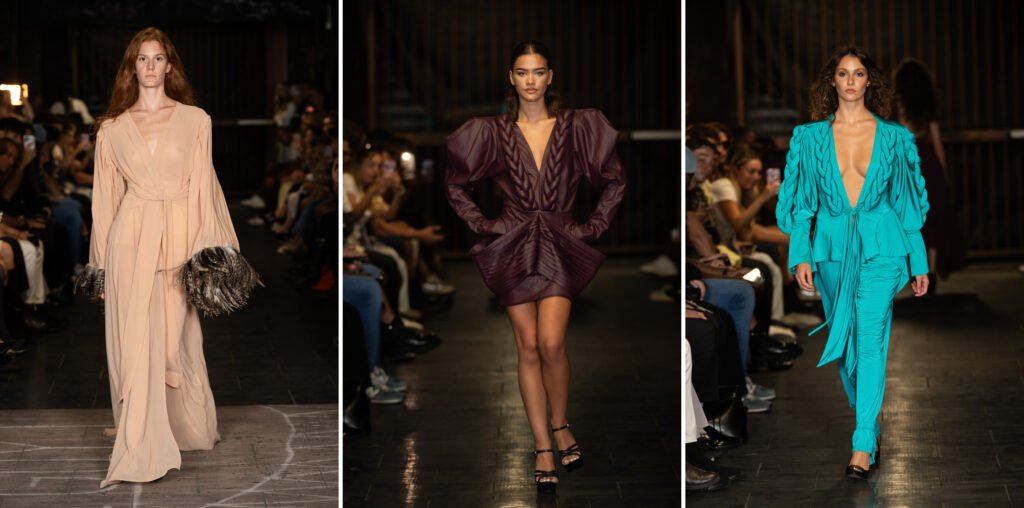
The programme extended beyond the designers explicitly associated with responsible materials and production. On 27 September, the Major Virtual Tunnel hosted “Delilah”, the Spring/Summer 2027 womenswear collection by Los Angeles-based Tell The Truth, as part of the official Camera Nazionale della Moda Italiana calendar.
Founded by Rainy Womack, the label has developed a streetwear-rooted aesthetic that brings together contemporary tailoring, urban references and an exploration of identity. For “Delilah”, Womack drew on the biblical story of Samson and Delilah, interpreting its themes of desire, vulnerability, betrayal and power through a collection centred on contemporary femininity.
The presentation brought together elevated streetwear and sculptural forms, with leather, sharply defined silhouettes and rope construction among its reported design elements. A palette incorporating black and red, punctuated by brighter accents, reinforced the collection’s exploration of strength and sensuality.
The industrial character of the Major Virtual Tunnel provided a setting for this creative direction, while Tell The Truth’s inclusion on the official Milan Fashion Week calendar demonstrated the venue’s potential to accommodate fashion presentations beyond Green Fashion Week’s core sustainability programme.
The contrast between the participating brands was one of the defining aspects of the week. Their creative identities were not interchangeable, nor were their approaches to materials, production or cultural expression. Together, they reflected a fashion landscape in which responsible practices increasingly intersect with wider questions about craftsmanship, identity, innovation and commercial development.
A New Retail Model Takes Shape
While the collections provided the creative focus of Green Fashion Week, the introduction of the Green Fashion Marketplace represented its most significant development beyond the runway.
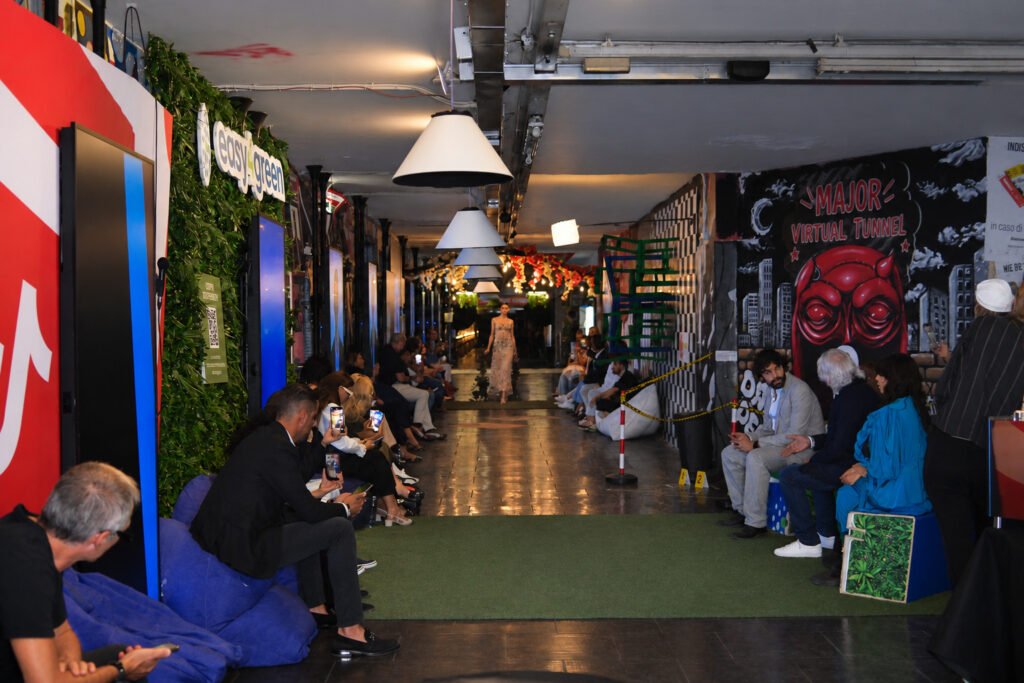
Located within the Major Virtual Tunnel, the marketplace combines physical brand presentation with digital interaction, allowing visitors to discover products, engage with brand content and complete purchases through digital channels. The model is designed to reduce the need for conventional retail infrastructure and substantial on-site stock while providing brands with a physical presence in Milan.
For emerging labels and international businesses, this approach could offer an alternative to the considerable investment associated with opening a conventional store or establishing a traditional distribution network. It also creates opportunities for brands to develop relationships with consumers and business partners before committing to a larger physical operation.
According to Dolci, the experience of introducing the marketplace reinforced an important principle: technology is most effective when it supports the relationship between a brand and its audience rather than becoming the principal attraction.
The most important lesson was that the phygital model works best when technology is not perceived as the destination, but as the infrastructure behind the experience.
The objective, he explains, was not to create a technology exhibition. Visitors needed to be able to experience the physical environment, discover brands, attend presentations and meet designers, with digital tools extending those interactions beyond the venue.
The Milan edition also highlighted the importance of simplicity. As the project develops, Dolci intends to focus on making the customer journey more intuitive and strengthening the marketplace’s commercial capabilities rather than introducing technology for its own sake.
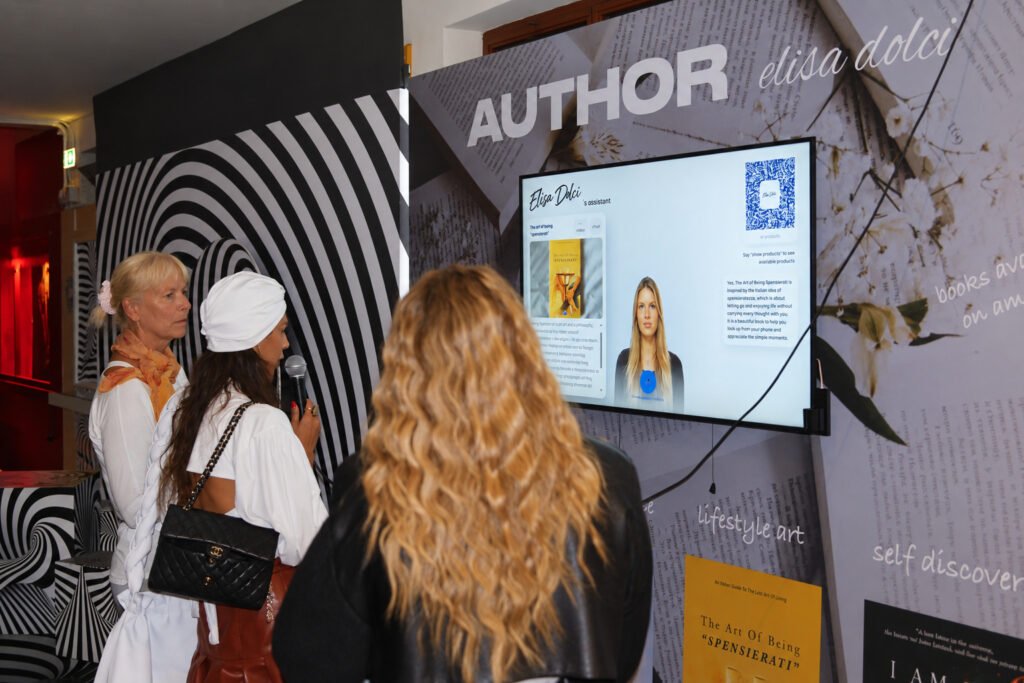
The sustainability implications of the model are closely connected to these commercial ambitions. Reducing dependence on physical stock and conventional retail infrastructure could offer economic advantages while creating opportunities to reconsider how products are presented, distributed and eventually produced.
However, Dolci is careful to distinguish the marketplace’s current operating model from the more ambitious production system it could help enable in the future. The platform is not yet based on on-demand manufacturing. Instead, its organisers envisage a longer-term model in which customer interest, purchasing data and digital interaction could increasingly inform production decisions, helping brands move closer to actual demand.
Whether that approach produces measurable environmental benefits will depend on how the platform develops, including the production and fulfilment practices adopted by participating companies. Its immediate proposition is to offer brands a more flexible route to market while reducing some of the financial and logistical barriers associated with traditional retail.
From Runway Visibility to Commercial Opportunity
For independent designers, the challenges of building a sustainable business rarely end with the development of a collection. Material sourcing, specialised craftsmanship, smaller production volumes and responsible manufacturing can create additional costs, while access to buyers, distribution and consistent sales remains difficult for many emerging labels.
These challenges have increasingly influenced Green Fashion Week’s development. Over fourteen editions, the organisation has provided designers with international exposure through presentations in different cities and unconventional locations. In Milan, the introduction of permanent retail infrastructure marked an attempt to extend that support beyond the duration of the event.
“Visibility is important, but visibility alone is no longer enough,” Dolci explains. “A fashion show can generate attention for a few minutes; an emerging company needs something that continues afterwards.”
The Major Virtual Tunnel is intended to provide that continuity through permanent phygital stations, business networking, content creation, events and opportunities for direct consumer engagement. Conceived with the capacity to accommodate more than 100 brands, the space is designed to operate throughout the year rather than being dismantled at the end of fashion week.
Its longer-term effectiveness will ultimately depend on its ability to convert those facilities into sustained commercial opportunities. Buyer relationships, customer engagement, distribution and sales will be more meaningful measures of the platform’s value than the visibility generated during its opening week.
For Dolci, that distinction defines the organisation’s next stage.
I do not think Green Fashion Week should simply give designers a stage anymore. It should give them an ecosystem where visibility can evolve into distribution, sales and long-term commercial growth.
Beyond Milan: The Next Chapter of Green Fashion Week
The conclusion of Green Fashion Week’s 14th edition marks the beginning of a longer development phase for the Major Virtual Tunnel. Its organisers intend to expand the integration between physical and digital brand experiences, improve the customer journey and strengthen the commercial services available to participating companies.
The Milan edition introduced the concept through an international programme that demonstrated the diversity of contemporary approaches to responsible fashion. From Ladefoged’s transformation of discarded textiles and VÄV’s engagement with traditional weaving to Krié’s material experimentation and Prophetik’s environmental perspective, the collections illustrated how creative practice can address sustainability through different priorities.
The marketplace, meanwhile, raised a separate but equally important question about the commercial structures available to the designers developing those ideas. Greater visibility has value, but it cannot independently resolve the challenges of distribution, production costs and access to consumers.
Looking towards Green Fashion Week’s 15th edition, Dolci envisages an organisation that is increasingly connected to a permanent platform rather than defined solely by a sequence of temporary events.
The ambition is to demonstrate that sustainable fashion can have a permanent infrastructure: one that is inclusive, technologically advanced and commercially viable.
Milan provided the first major opportunity to introduce that ambition. Its lasting significance will depend on what follows: whether the Major Virtual Tunnel can develop into a commercially effective environment for independent brands and whether its retail model can deliver on its longer-term sustainability objectives.
For Green Fashion Week, the evolution is no longer simply about creating space for responsible fashion on the international runway. It is about developing the infrastructure that could allow those creative businesses to establish a lasting presence beyond it.
For more information about Green Fashion Week, its initiatives and opportunities for designers and brands, visit the official Green Fashion Week website.