

From transforming industrial waste into desirable fashion to preserving traditional craftsmanship, eight international brands at TRANOÏ Paris are exploring how responsibility can become an integral part of creative identity and commercial strategy.
Fashion has spent years debating sustainability. The more consequential question is whether the industry can move beyond its promises and develop business models in which environmental responsibility, cultural preservation and commercial ambition genuinely coexist. For independent designers, this is not merely a question of choosing better materials. It requires reconsidering how collections are conceived, how much is produced, who participates in the process and where value is created.
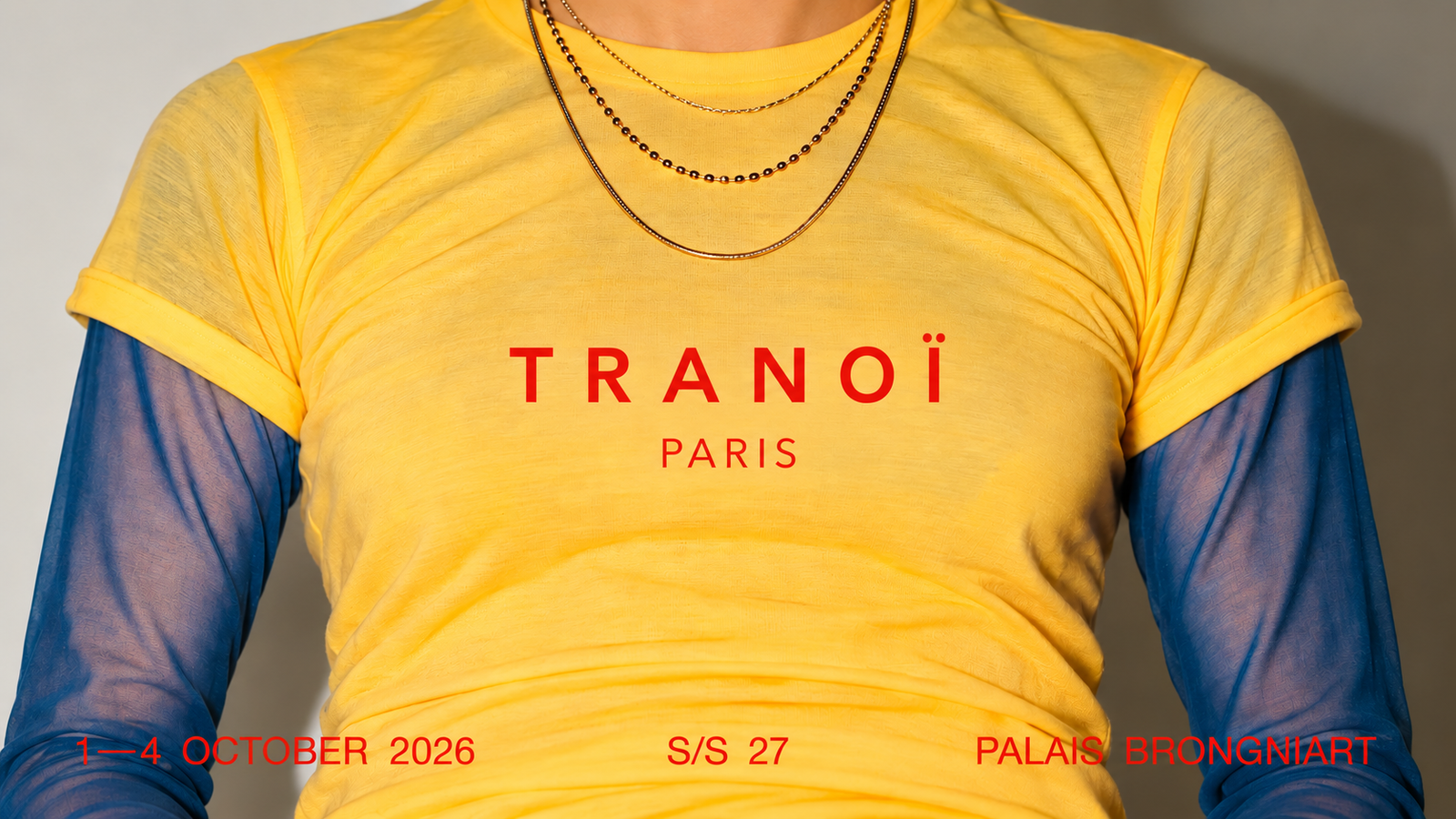
TRANOÏ Paris, taking place from 1 to 4 October 2026 at the Palais Brongniart.
At TRANOÏ Paris, taking place from 1 to 4 October 2026 at the Palais Brongniart during Paris Fashion Week, that debate finds expression in a diverse international selection. The Spring/Summer 2027 edition brings together 200 brands from 43 countries, offering a perspective on an industry in which emerging designers are increasingly exploring alternatives to conventional production and established luxury models.
Among them, eight brands from Europe, Asia, Africa and South America present distinct approaches to the relationship between creativity and responsibility. Thailand’s REPLEAT transforms industrial textile surplus into experimental designs, while South Korea’s PLEATSMAMA brings recycled materials into contemporary accessories. In Portugal, Pé de Chumbo and Lidija Kolovrat explore the creative potential of textile reuse and artisanal techniques. Brazil’s Mayara Junges challenges conventional production cycles through made-to-order fashion, while France’s Maison Gisel B. places traditional craftsmanship at the centre of its jewellery collections.
Meanwhile, South Africa’s MAXHOSA AFRICA and Uruguay’s The Farra bring another dimension to the conversation, demonstrating how cultural identity, local production and the preservation of artisanal knowledge can inform contemporary fashion businesses.
These brands do not offer a single answer to fashion’s sustainability challenges, nor do their individual practices establish comprehensive environmental responsibility. What makes their participation particularly relevant is the diversity of their approaches and the questions they raise about the future of independent fashion.
Circularity and Material Innovation
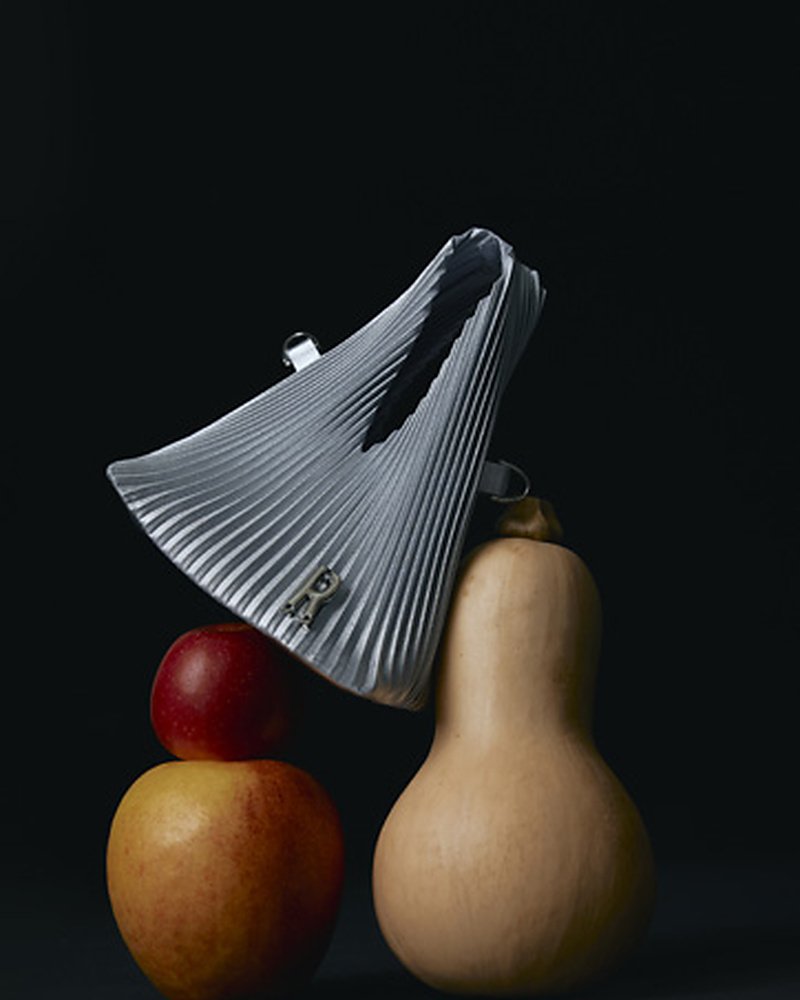
REPLEAT | Thailand. Founded in Bangkok in 2016 by Nicharee Prasitrattanaporn, REPLEAT approaches textile waste as a creative resource. The brand transforms surplus industrial fabrics through artisanal pleating techniques, developing contemporary garments that combine experimental construction with a distinctive sculptural aesthetic. Rather than treating surplus materials as a limitation, REPLEAT incorporates their characteristics into its design process, demonstrating how resource-conscious sourcing can coexist with an individual creative language. Winner of Vogue Who’s On Next Thailand in 2018, the brand will participate in TRANOÏ’s Thaï Room, an initiative supported by Thailand’s Department of International Trade Promotion. Its presence offers an example of how emerging Asian designers are exploring the relationship between material reuse, traditional techniques and contemporary fashion.
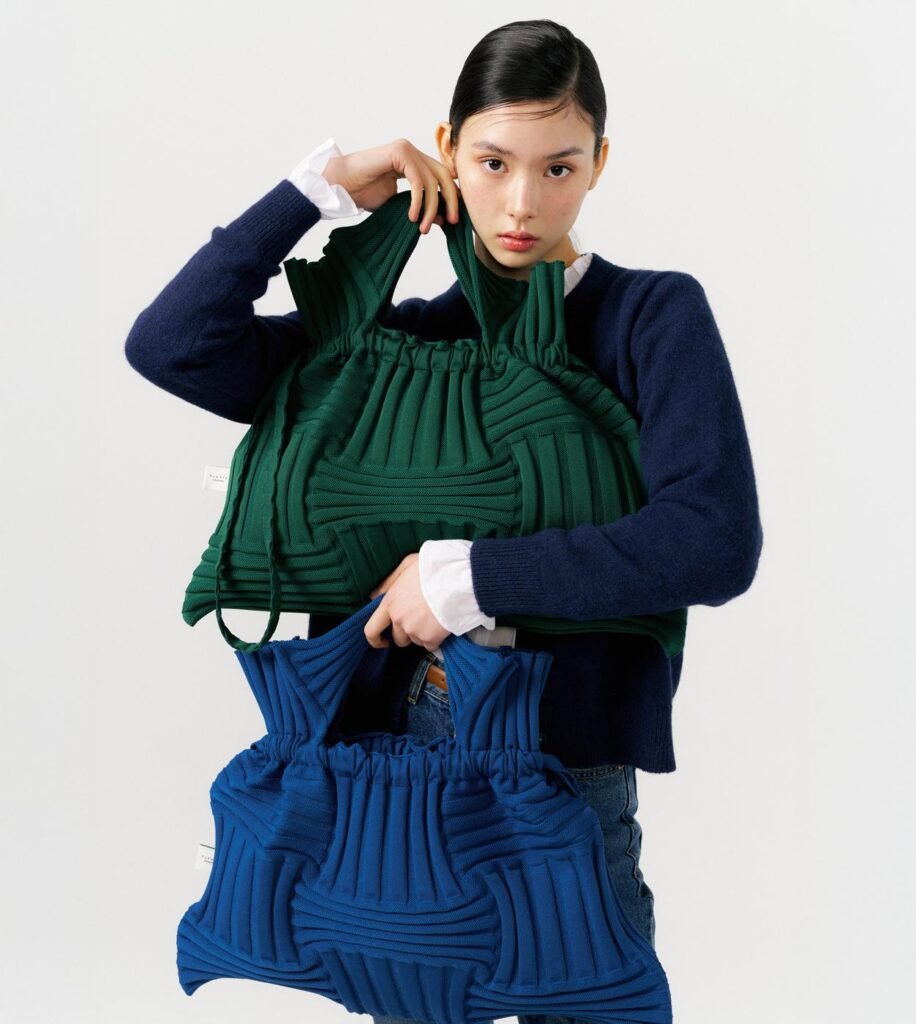
PLEATSMAMA | South Korea. South Korean accessories label PLEATSMAMA brings a material-led approach to circular design, transforming recycled fibres into contemporary knitted bags and accessories. The brand works with recycled polyester derived from discarded PET bottles and recycled nylon, including materials recovered from fishing nets. Its distinctive pleated construction combines functionality with a recognisable design identity, positioning recycled materials as a central element of the product rather than a secondary sustainability feature. Through its work with recycled yarns and material suppliers, PLEATSMAMA illustrates how innovation in textile sourcing can support the development of commercially relevant accessories. Its participation at TRANOÏ also raises a broader question for the industry: how can circular materials achieve wider adoption without compromising design, quality or commercial appeal.
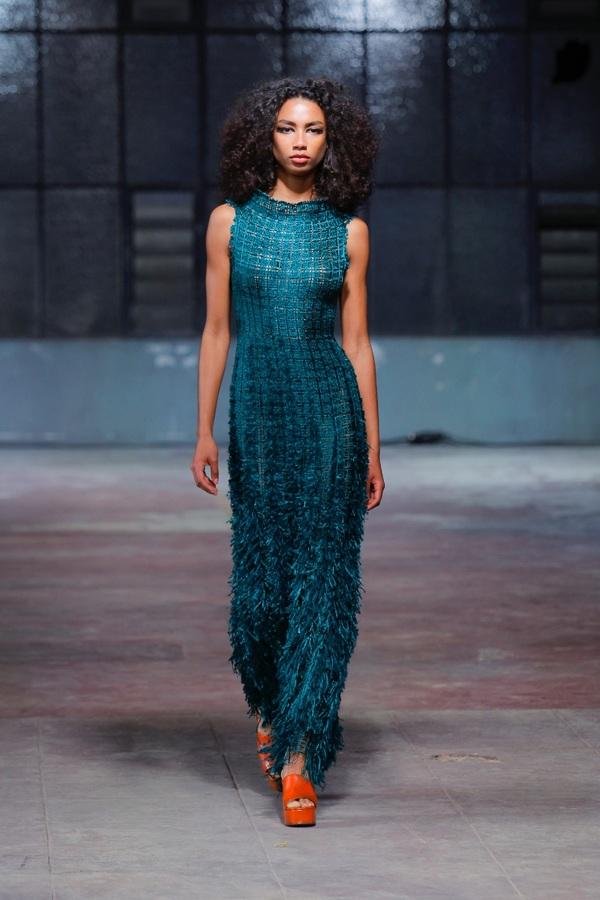
Pé de Chumbo | Portugal. Founded in 1995 by Portuguese designer Alexandra Oliveira, Pé de Chumbo has developed a distinctive identity through experimental textile construction and an unconventional approach to materials. The brand is recognised for its intricate fabrics, created by combining different threads, textures and textile techniques. Its production incorporates discarded yarns from textile factories in the Guimarães region, giving existing materials a new purpose within contemporary collections. Rooted in Portugal’s textile heritage, Pé de Chumbo demonstrates how established manufacturing expertise can support independent design and resource-conscious production. By combining traditional knowledge with experimentation, Oliveira has developed a creative language in which the fabric itself becomes an essential part of the design. At TRANOÏ Paris, the brand offers an opportunity to examine how Portugal’s textile industry can contribute to the development of more responsible independent fashion businesses while preserving the technical expertise that distinguishes its manufacturing heritage.
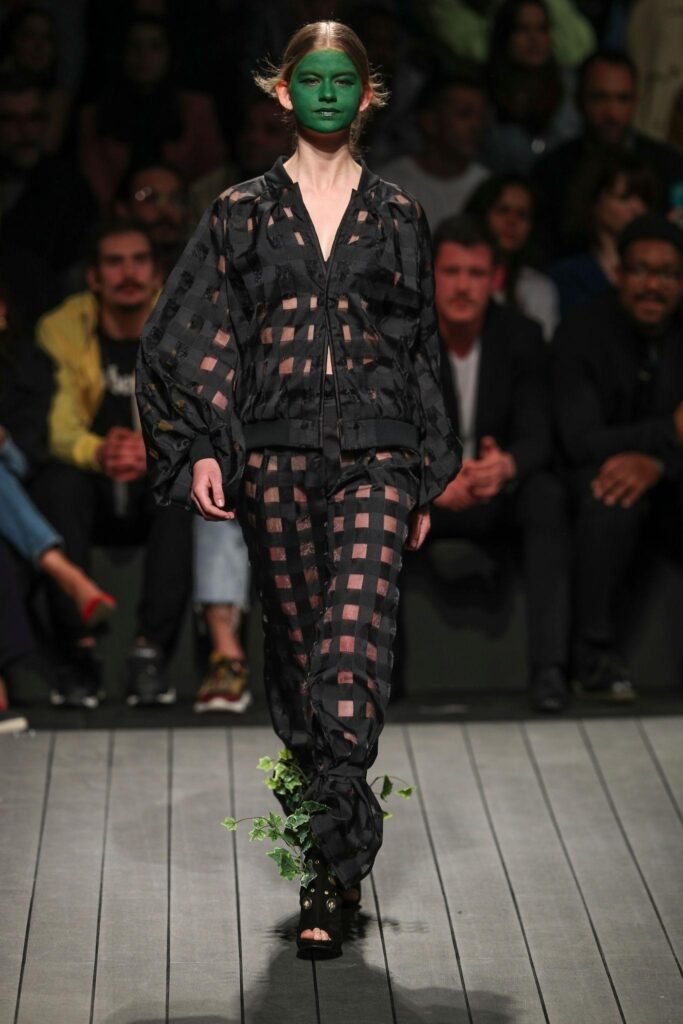
Lidija Kolovrat | Portugal. Lisbon-based designer Lidija Kolovrat approaches fashion as an artistic medium, bringing together experimental construction, unconventional materials and cultural references to create collections that blur the boundaries between clothing and wearable art. Upcycling, deadstock fabrics and leftover textiles form part of a creative practice centred on reinterpreting existing resources through contemporary design. Rather than adhering to conventional seasonal aesthetics, Kolovrat draws on art, cultural identity and individual expression to develop a distinctive visual language. This approach connects responsible fashion with creative experimentation, demonstrating how material reuse can inspire new forms, textures and narratives. Her presence at TRANOÏ Paris also highlights Portugal’s independent fashion scene, where craftsmanship and alternative production methods are helping designers establish distinctive identities on the international stage.
Slow Fashion and Responsible Production
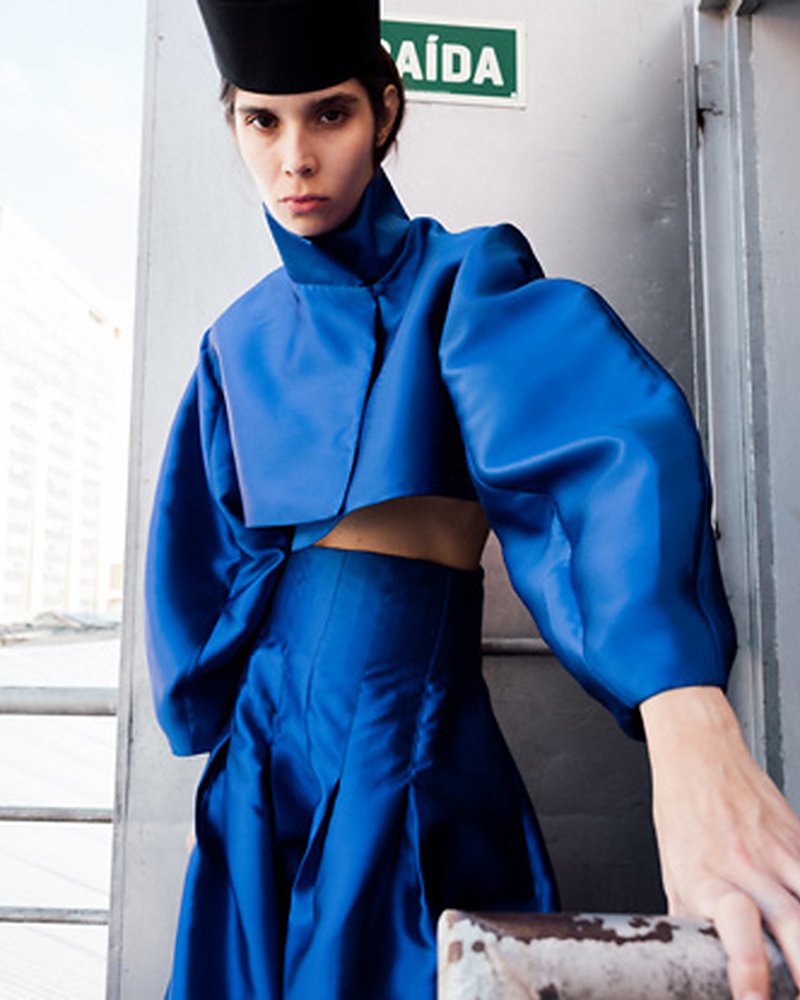
Mayara Junges | Brazil. Founded in Brazil in 2022, Mayara Junges explores the relationship between architectural form, experimental construction and slow fashion. Her collections are defined by sculptural silhouettes and distinctive volumes, with an emphasis on creative expression rather than conventional seasonal trends. Working from her studio, Junges produces timeless pieces to order, adopting a demand-led model that avoids speculative inventory and offers an alternative to traditional fashion production cycles. This approach allows the designer to balance artistic ambition with a more considered use of resources. An advocate for women’s entrepreneurship and independent fashion businesses, Junges was named Emerging Designer of the Year at the FFW Brasil Fashion Awards 2026. Her participation at TRANOÏ Paris highlights both the creative potential of made-to-order fashion and the opportunities for independent designers to translate responsible production practices into internationally viable businesses.
Maison Gisel B. | France. French jewellery house Maison Gisel B. places artisanal craftsmanship at the centre of its creative identity, combining cultured pearls, natural materials and contemporary design. Handcrafted in the brand’s Toulouse workshop, its collections draw inspiration from marine environments and the enduring appeal of traditional jewellery-making techniques. Each piece reflects an emphasis on material selection, attention to detail and considered production. Awarded the Artisan de France label in 2025, Maison Gisel B. represents an approach to contemporary jewellery that values technical expertise and the preservation of French artisanal knowledge. As consumer interest in provenance, craftsmanship and product longevity continues to shape the luxury market, the brand’s participation at TRANOÏ highlights the role that independent jewellery houses can play in maintaining traditional skills while developing a contemporary commercial identity.

MAXHOSA AFRICA | South Africa
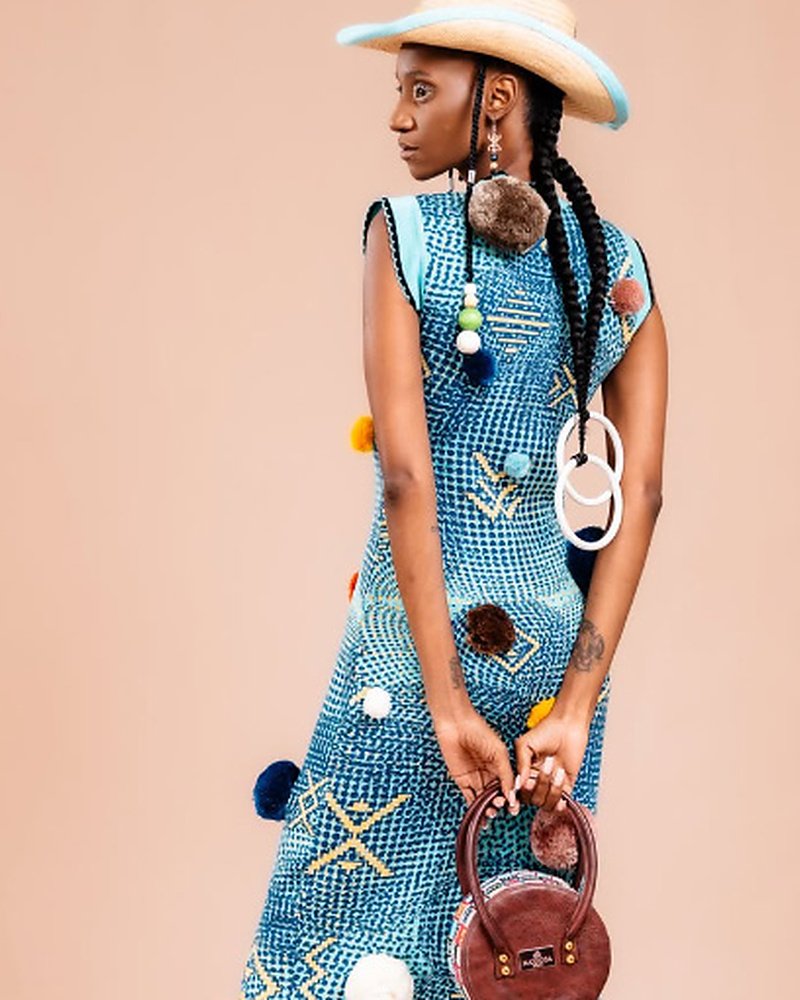
MAXHOSA AFRICA | South Africa. Founded in 2010 by designer Laduma Ngxokolo, MAXHOSA AFRICA has established an internationally recognised luxury identity through its contemporary interpretation of Xhosa cultural heritage. Inspired by traditional beadwork and ceremonial aesthetics, the brand combines geometric patterns, expressive colours and sophisticated knitwear to bring African craftsmanship into the international luxury market. Beyond its distinctive aesthetic, MAXHOSA AFRICA has invested in local manufacturing and South African production capabilities. Its use of wool and other natural fibres, together with the preservation of cultural knowledge, reflects an approach that connects heritage, craftsmanship and business development. As the brand expands internationally, maintaining creative independence, production standards and strong relationships with local communities remains central to its identity. Her participation in the CANEX Pavilion at TRANOÏ Paris, also contributes to the growing international visibility of African fashion.
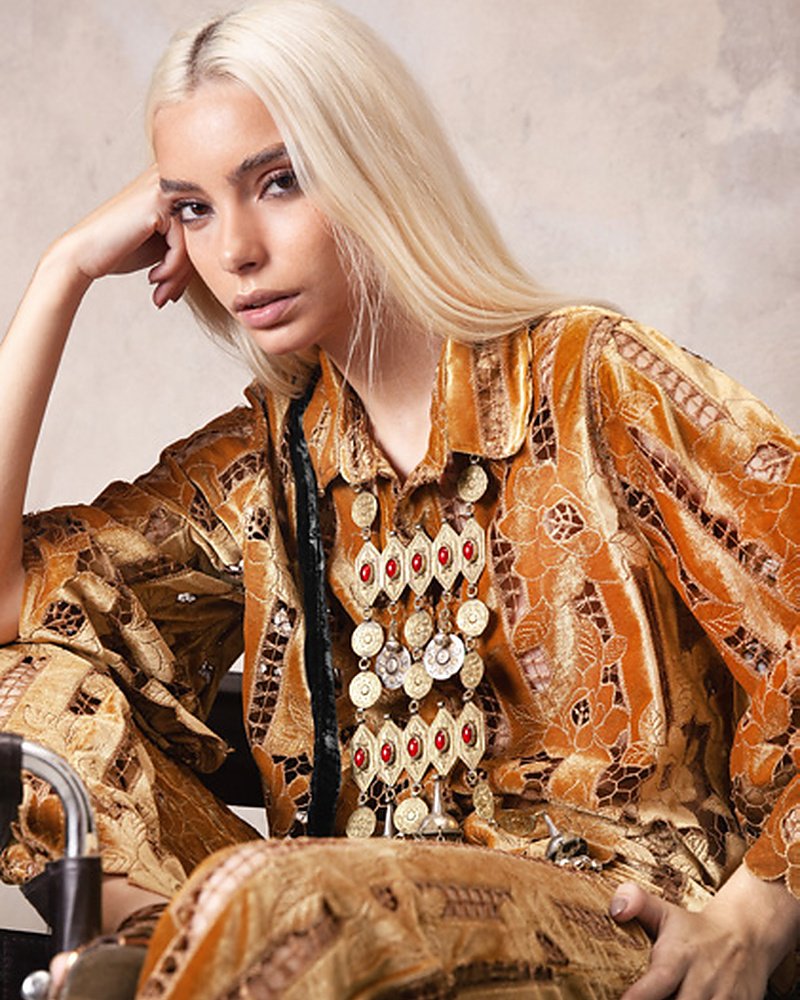
The Farra | Uruguay. Uruguayan label The Farra approaches contemporary knitwear through traditional craftsmanship, limited production and collaboration with women artisans. Working with materials including mohair, merino wool and cotton, the brand develops handcrafted garments that combine artisanal expertise with contemporary design. Its production model relies on pre-orders and limited quantities, allowing manufacturing to respond more closely to demand while seeking to minimise unnecessary inventory and material waste. The Farra also places particular importance on the women behind its collections, supporting artisanal skills and the communities in which those traditions are practised. Its approach illustrates how the preservation of craftsmanship can form part of a broader business model that considers both social and environmental responsibility. Participating in the Uruguay Collective, supported by the country’s national trade-promotion agency,
Beyond the Sustainability Label
The presence of these eight brands at TRANOÏ Paris reflects the increasingly diverse ways in which independent fashion businesses are approaching responsibility. Their strategies range from incorporating recycled and surplus materials into contemporary collections to reconsidering production volumes, investing in local manufacturing and supporting the communities that sustain traditional craftsmanship.
Yet these approaches also highlight the complexity of defining sustainability in fashion. Material reuse does not automatically establish a product’s overall environmental performance, just as artisanal production and cultural preservation do not necessarily guarantee responsible practices across an entire supply chain.
What distinguishes these designers is the way their respective approaches are integrated into their creative identities and business models. Rather than presenting sustainability as a uniform aesthetic or a single production standard, they demonstrate how responsibility can take different forms depending on a brand’s resources, cultural context and commercial ambitions.
As TRANOÏ Paris presents its Spring/Summer 2027 edition, these eight brands offer an opportunity to examine the possibilities and limitations of alternative fashion models. Their long-term significance will depend not only on the originality of their collections, but also on their ability to maintain and develop responsible practices as their businesses evolve.
TRANOÏ Paris | Spring/Summer 2027
1–4 October 2026
Palais Brongniart, Paris, France
www.tranoi.com