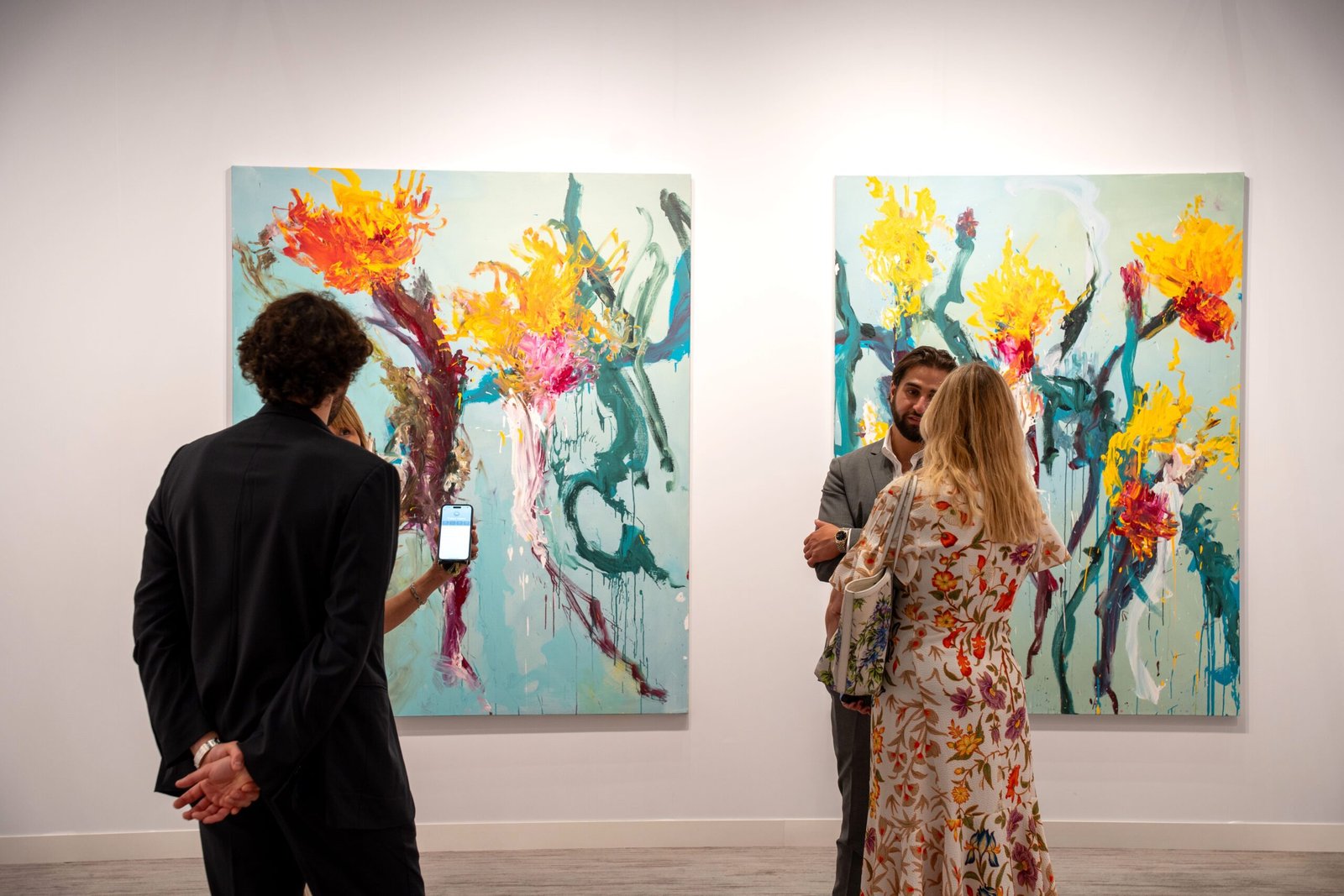
As Contemporary Istanbul opens its 21st edition on the Golden Horn, an expanded international gallery programme, a renewed focus on Asia and a growing network of collectors and institutions are reinforcing the Turkish metropolis as an important meeting point in the international art world.
Spanning Europe and Asia, and shaped over centuries by the movement of people, commerce and ideas, the city has long operated as a point of exchange between regions. Over the past two decades, Contemporary Istanbul has sought to translate that position into the contemporary art world, building a platform where Turkey’s domestic art scene encounters galleries, collectors, curators and institutions from further afield.
From 23 to 27 September, the fair returns to Tersane Istanbul for its 21st edition, bringing the international art community to the historic shipyard on the Golden Horn. Its preliminary programme announced more than 70 galleries from 24 countries, with nearly a quarter participating for the first time.
The significance of Contemporary Istanbul extends beyond the size of its exhibitor list.
After 21 editions, the fair offers a lens through which to consider Istanbul’s changing position within a global art market that is becoming increasingly decentralised — and in which relationships between Europe, Asia and the Middle East are acquiring greater cultural and commercial weight.
You will never be happy if you continue to search for what happiness consists of. You will never live if you are looking for the meaning of life.
From a Turkish Fair to an International Platform
Founded in 2006, Contemporary Istanbul emerged at a time when the international art-fair landscape was considerably smaller. According to the organisation, it began as the world’s 21st art fair; today, it operates within a global ecosystem of more than 350. Its evolution has taken place alongside the development of Turkey’s contemporary art infrastructure and collecting community.
That relationship remains visible in the 2026 programme. Established Turkish galleries including Zilberman, Pi Artworks, Anna Laudel, Galeri Nev Istanbul, x-ist, Art On Istanbul, Galeri 77 and Sevil Dolmacı appear alongside galleries operating from Berlin, London, Dubai, Paris, Beirut, Barcelona, Lisbon, São Paulo and other international centres.
This combination is central to the fair’s identity. Contemporary Istanbul is not simply an international event staged in Turkey; its relevance is closely tied to the interaction between the local art ecosystem and the international galleries and cultural figures arriving in the city.
The fair also functions beyond its annual September edition. Through initiatives including CIF Dialogues, exhibitions and other projects, Contemporary Istanbul and the Contemporary Istanbul Foundation have developed a year-round programme connecting artists, collectors, gallery owners, curators, journalists and cultural professionals.
The organisation describes Istanbul and Turkey as a “cultural translator” between different geographies — an idea that has become increasingly visible in the composition of the fair itself.
A Gallery List That Reflects a Changing Art Map
The 2026 gallery programme illustrates that international reach particularly clearly. Seventeen galleries were announced as first-time participants in the preliminary line-up, arriving from art centres across Europe, Asia, the Middle East and Latin America.
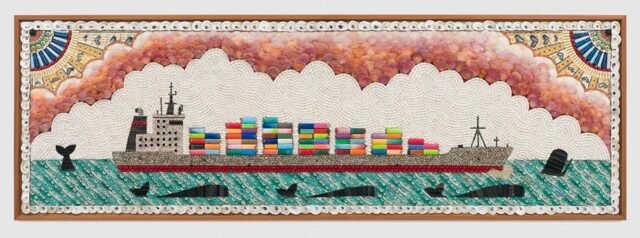
Among them are Galeria Francisco Fino from Lisbon; Galeria Karla Osorio from São Paulo; Galerie Diego Escobar from Marseille; Galerie La La Lande and Galerie Vallois from Paris; Galerie Tanit, operating between Munich and Beirut; Michel Rein from Paris and Brussels; Pearl Lam Projects from Hong Kong and Shanghai; Takato Kano Gallery from Tokyo; Villa Magdalena from Madrid; Method Gallery from New Delhi; and Shiva Zahed, operating between Tehran and Istanbul.
What is notable about the list is its geographic breadth. Rather than reinforcing the dominance of a single established art capital, the programme creates connections between cities whose art markets are developing along different trajectories.
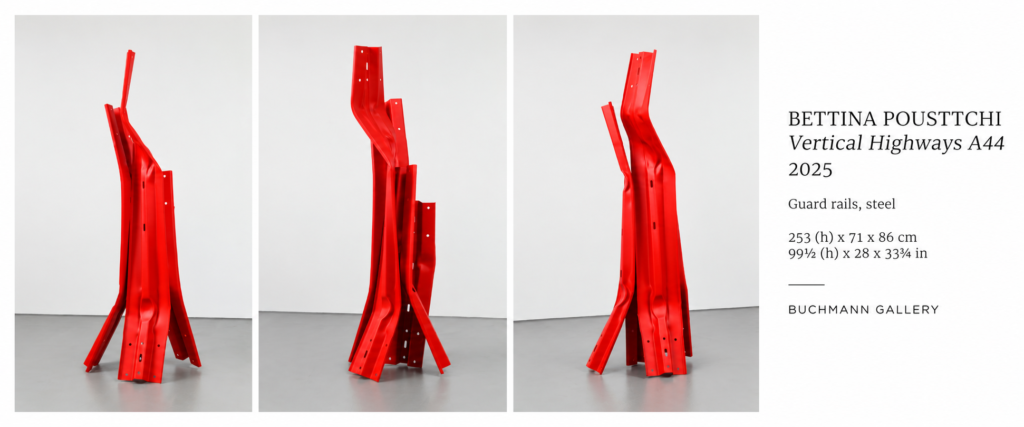
The return of international galleries including Buchmann Galerie, Pedro Cera, Gillian Jason Gallery, JD Malat Gallery, Leila Heller Gallery, Mark Hachem Gallery, SMAC Gallery, Revolver Galerie and Galerie Esther Woerdehoff further expands this network.
For Istanbul, this diversity matters. Its potential within the international art market lies not in reproducing the structures of London, Paris or New York, but in providing a meeting point for markets and cultural communities that do not always intersect elsewhere.
Focus: Asia and a Shift Eastward
That positioning becomes particularly visible through Focus: Asia, Contemporary Istanbul’s regional focus for 2026.
Pearl Lam Projects, Takato Kano Gallery and Whitestone Gallery are among the first-time exhibitors taking a prominent role in the programme.
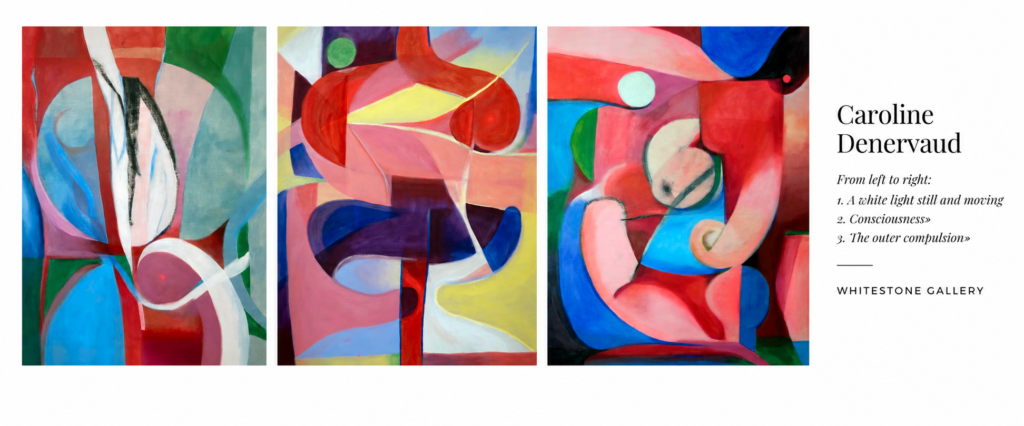
The focus reflects a broader shift in the geography of the international art market. Asian cities have developed increasingly influential networks of museums, galleries, foundations, fairs and private collectors, while cultural relationships between Asia and the Middle East continue to expand.
For decades, global recognition in contemporary art was heavily concentrated around a relatively small group of Western capitals.
Istanbul occupies an unusual position within those developments. It is geographically connected to Europe while maintaining deep historical and commercial relationships across the Middle East and Asia.
Contemporary Istanbul’s decision to turn its attention towards Asia therefore feels less like the selection of an annual theme than an extension of the fair’s broader identity. It also raises a larger question about how cultural influence now moves internationally. For decades, global recognition in contemporary art was heavily concentrated around a relatively small group of Western capitals. That hierarchy has not disappeared, but the infrastructure surrounding it has become more dispersed.
New institutions, collectors and commercial centres are altering the routes through which artists and galleries enter international conversations. Istanbul has an opportunity to participate in that changing network not as an alternative version of an established Western art capital, but on its own terms.
Creating Space for the Next Generation
Alongside established galleries, New Grounds returns as Contemporary Istanbul’s platform for emerging galleries and next-generation artists. The 2026 participants include Friedrichs Pontone from New York, Ka from Ankara, Karpuchina Gallery from Prague, Method Gallery from New Delhi, Rast Gallery from Istanbul and Shiva Zahed from Tehran and Istanbul. Its inclusion is important because the relevance of an art fair cannot be sustained exclusively through recognised names.
For a fair entering its third decade, supporting that next generation is also part of ensuring its own continued relevance.
Fairs operate as commercial marketplaces, but they are also environments for discovery. Emerging galleries gain access to collectors, curators, advisers and institutions, while younger artists are introduced to audiences beyond their existing networks.
In that context, New Grounds provides a counterpoint to the established international galleries elsewhere at the fair. It positions emerging practices within the same ecosystem rather than treating them as separate from the commercial and institutional structures of contemporary art.
Beyond the Gallery Booth
The physical setting of Contemporary Istanbul has become increasingly important to its identity.
Tersane Istanbul occupies part of the centuries-old shipyard landscape on the Golden Horn, placing contemporary art within an area defined by Istanbul’s maritime and industrial history.
Rather than functioning as a neutral exhibition hall, the site creates a dialogue between heritage, architecture and contemporary cultural production. Art is encountered against the backdrop of the waterfront and the changing urban landscape surrounding it.
For the 21st edition, programming extends beyond individual gallery stands through public art projects, curated exhibitions, talks and special events. The fair’s official announcement positions these elements as part of a wider effort to create opportunities for cultural exchange across the international contemporary art community.
Recent programme announcements also indicate that large-scale sculpture, installations, site-specific projects and digital works will be distributed across Tersane Istanbul, extending the experience beyond the conventional boundaries of the fair booth.
The location gives Contemporary Istanbul something that cannot easily be replicated elsewhere: a fair experience inseparable from the character of the city hosting it.
The Conversation Behind the Market
Commercial exchange may sit at the heart of an art fair, but Contemporary Istanbul has increasingly built an intellectual programme around the cultural forces shaping that market.
The Contemporary Istanbul Foundation’s CIF Dialogues returns on 23 and 24 September under the title The Long and Winding Road.
The programme examines the changing dynamics of the contemporary art world through the historical and cultural relationships between East and West — a subject that closely mirrors the fair’s wider international positioning.
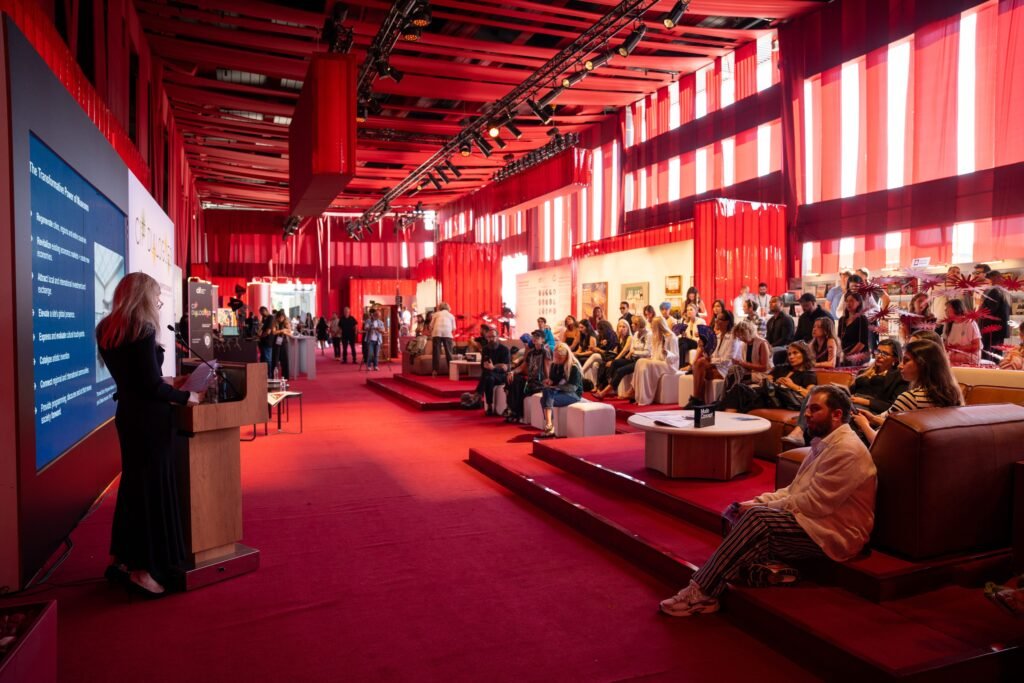
Speakers include Kulapat Yantrasast, founder and creative director of WHY Architecture; Naz Cuguoğlu, associate curator at the Asian Art Museum; Akiko Miki, director of Naoshima New Museum of Art and international artistic director of Benesse Art Site Naoshima; Felix Kwok, former head of Modern Art Asia at Sotheby’s; collector and Contemporary Istanbul Ambassador to South Korea Marc Choi; architect and former Tate Young Patrons co-chair Gülru Arvas; Marc-Olivier Wahler, director of the Musée d’Art et d’Histoire de Genève; and Tim Schneider, founder of The Gray Market.
The Foundation has also expanded those conversations beyond the September fair through CIF Bridges, its digital discussion series moderated by CIF Artistic Director Sarp Kerem Yavuz. Bringing together artists, architects, collectors, curators and cultural professionals online, the initiative extends Contemporary Istanbul’s network beyond the physical boundaries of Tersane Istanbul and the five days of the fair.
Taken together, these programmes suggest an ambition to operate not simply as a marketplace but as a forum for examining how the art world itself is changing.
Why Istanbul Matters
Contemporary Istanbul enters its third decade in an international art landscape very different from the one in which it was founded. Collector communities have expanded across Asia and the Middle East. Galleries increasingly operate across several cities and continents. Museums and foundations outside traditional Western art capitals have become more influential, while artists themselves move between cultural contexts with increasing fluidity.
Within this landscape, Istanbul’s geography becomes an asset — but geography alone does not create cultural relevance.
What Contemporary Istanbul has built over 21 editions is continuity: an established annual moment at which Turkey’s art community encounters an international network of galleries, collectors, curators and institutions on its own territory. The 2026 edition expands that conversation.
European galleries sit alongside participants from Latin America. Galleries from Istanbul and Ankara encounter counterparts from Tehran and New Delhi. Hong Kong, Shanghai and Tokyo enter the programme through Focus: Asia, while established Turkish galleries remain integral to the fair’s identity.
The result is not simply an international fair taking place in Istanbul. It is an event increasingly shaped by the particular position Istanbul occupies within the international cultural landscape. And as the art world becomes more geographically dispersed, the ability to create meaningful connections between regions may prove as important as scale.
For Contemporary Istanbul, that is where the significance of its third decade lies. The city has spent centuries connecting different worlds. Twenty-one editions into its own history, Contemporary Istanbul is building a contemporary art platform around precisely that capacity.
Contemporary Istanbul 21
General Admission: 24–27 September 2026
Venue: Tersane Istanbul, Istanbul, Türkiye
Website: contemporaryistanbul.com
Instagram: @contemporaryistanbul