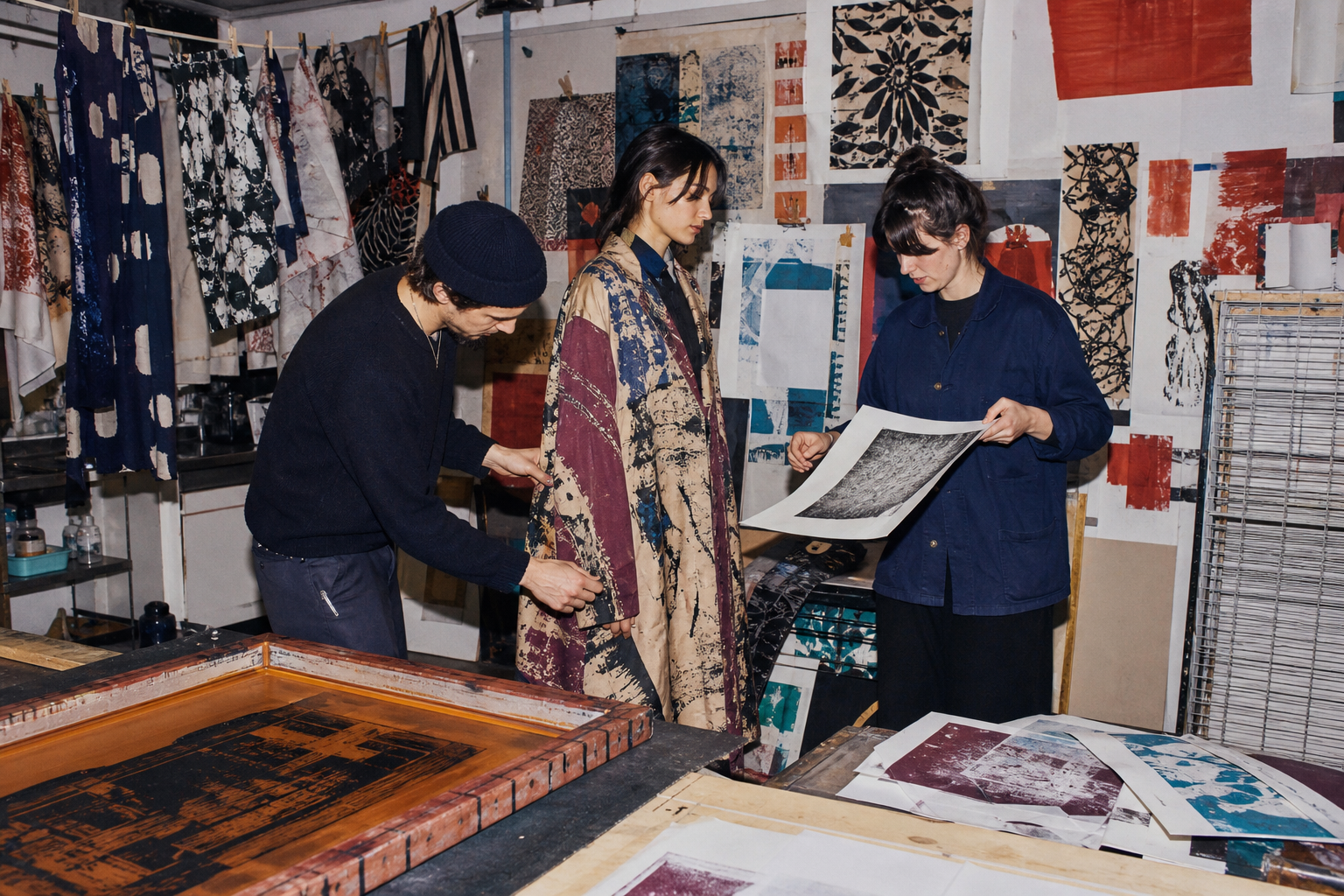
Starting a sustainable fashion brand requires more than selecting lower-impact fabrics or adding environmental language to a business plan. It means building responsibility into the company’s product development, sourcing, production, pricing and growth strategy from the beginning.
For a new label, this can be an advantage. Established businesses often face the difficult task of redesigning complex supply chains, while an emerging brand can establish more disciplined systems before habits and commercial pressures become entrenched. The objective is not to create a perfect company from launch. It is to define a credible purpose, understand where the brand’s greatest impacts will occur and build a model capable of improving as it grows.
Define the Product Before the Sustainability Claim
A sustainable fashion brand still needs a compelling product. Environmental ambition cannot compensate for weak design, uncertain quality or an unclear customer.
The first question should therefore be what the brand deserves to contribute to an already crowded market. It may focus on durable tailoring, adaptable everyday clothing, locally produced knitwear, made-to-order occasionwear or garments designed for repair and extended use. The more precise the proposition, the easier it becomes to make coherent decisions about materials, production and price.
The first question should be what the brand deserves to contribute to an already crowded market.
A clearly defined customer is equally important. Attempting to appeal to everyone usually produces an indistinct collection and inefficient marketing. Understanding how the intended audience dresses, shops and values clothing allows the brand to develop products with genuine relevance rather than relying on sustainability as its only point of difference.
Build Responsibility Into the Design Process
Many environmental problems are determined before a garment reaches production. The design stage establishes how much material will be used, whether the product can be repaired and how likely it is to remain desirable.
Durability should be treated as a design requirement. Fabric performance, seam construction, fastenings and care instructions all affect how long a garment can remain in use. Complex fibre blends may create interesting technical properties but can make future recycling more difficult. Decorative components can also complicate repair and material recovery.
Designing within a controlled material palette can simplify sourcing and improve production consistency. Zero-waste cutting, modular construction and the considered use of deadstock may reduce waste, but each approach must suit the product rather than function as a promotional device.
A garment does not become responsible because it was made from an unconventional material. It becomes more responsible when material choice, construction and intended use support one another.
Source Materials With Evidence
The first question should be what the brand deserves to contribute to an already crowded market.
Material sourcing is one of the most challenging aspects of building a sustainable fashion business. Suppliers may use terms such as “eco,” “natural” or “responsible” without providing enough information to substantiate them.
Founders should request detailed fibre compositions, countries of origin, processing information and relevant certification records. Samples must be tested for quality, colourfastness, shrinkage, pilling and durability. A material with an appealing environmental story offers little value if it performs poorly and shortens the product’s useful life.
Certifications can support particular claims, but their scope must be understood. One standard may verify organic content, while another addresses chemical safety, recycled inputs or labour conditions. No single certification confirms that every aspect of a garment or company is sustainable.
Strong supplier relationships are therefore essential. Transparency develops through documentation, consistent communication and a willingness to ask difficult questions—not through attractive claims alone.
Choose Production Partners Carefully
Ethical fashion production depends on more than locating a factory that describes itself as responsible. Brands need to understand working conditions, wages, subcontracting practices, production capacity and environmental management.
Where possible, visiting a manufacturing partner can reveal more than a questionnaire. It allows the founder to see how products are made, meet the people involved and determine whether the factory’s capabilities match the collection.
Small production runs may appear to reduce risk, but very low quantities can create inefficiencies and higher unit costs. Made-to-order and pre-order systems can help align production with demand, although customers must be given realistic delivery expectations.
Local manufacturing may offer closer oversight and shorter communication lines, particularly for labels developing in creative centres such as Tbilisi. However, proximity alone does not guarantee responsible production. Labour practices, energy use, materials and technical quality must still be assessed.
Price the Product Honestly
If the business can survive only by underpaying suppliers or absorbing unrealistic margins, the model is not sustainable.
Sustainable fashion brands frequently underestimate the cost of operating responsibly. Better materials, skilled labour, smaller production runs, certification and traceability systems can all increase initial expenses.
Pricing must reflect the true cost of design, sampling, manufacturing, packaging, logistics, marketing, returns and future development. If the business can survive only by underpaying suppliers or absorbing unrealistic margins, the model is not sustainable.
This does not mean responsible fashion must always occupy the luxury market. It means the relationship between price, quality and production should be honest. A carefully designed product with strong construction can justify its value through longevity rather than environmental messaging alone.
Communicate With Precision
Greenwashing can damage a young brand before it has established trust. Claims should be specific, verifiable and proportionate to what the company can prove.
Rather than describing an entire collection as sustainable, a brand might explain which material was selected, how the product was manufactured and which parts of the process still require improvement. This level of detail demonstrates knowledge and allows customers to make informed decisions.
Digital product passports may support this transparency by connecting garments to information about fibre composition, manufacturing, care, repair and resale. Their effectiveness, however, depends on the quality of the underlying data. Technology can present evidence clearly, but it cannot create evidence that does not exist.
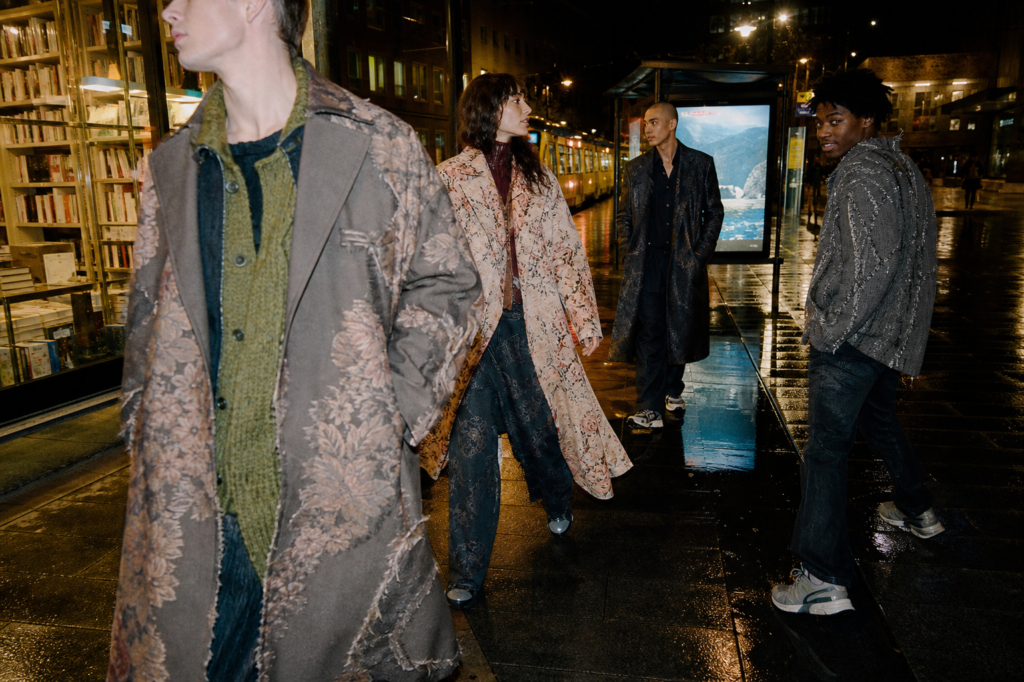
Prepare to Grow Without Losing Control
Growth presents one of the greatest tests for a sustainable fashion brand. Increasing order volumes may require new suppliers, larger factories and more complex logistics. Decisions that worked for a small launch collection may become impractical at scale.
Founders should establish measurable indicators early, including production volumes, material use, waste, returns and supplier performance. These records create a baseline against which progress can be assessed.
The most credible sustainable fashion businesses are not those making the largest promises. They are those capable of explaining what they produce, why it should exist and how responsibility influences every commercial decision.
A responsible brand does not need to expand through constant product releases. Growth may come through stronger core collections, repair services, resale, customisation or deeper relationships with existing customers.
Starting sustainably does not mean having every answer. It means building a company prepared to keep asking better questions as it develops.