
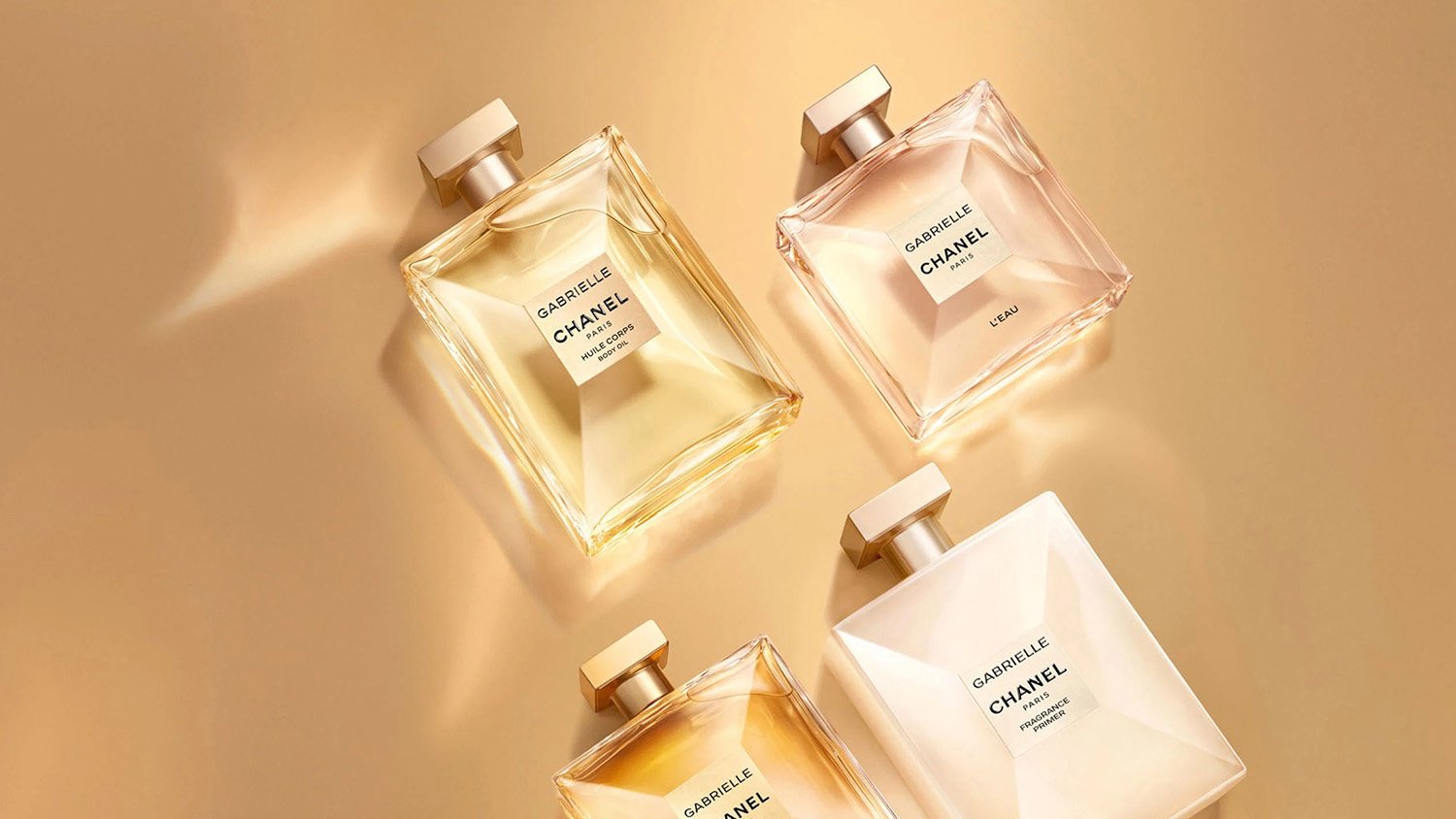
The strategic partnership will focus on reducing emissions, improving material traceability and expanding the use of recycled aluminium across fragrance, makeup and skincare packaging by 2030.
CHANEL Fragrance and Beauty has entered into a strategic partnership with Norwegian aluminium producer Hydro to develop lower-carbon materials for luxury beauty packaging, as the cosmetics industry faces increasing pressure to address the environmental impact of its supply chains.
The agreement establishes a development roadmap from 2026 to 2030, with the companies aiming to reduce the carbon footprint of aluminium used in fragrance, makeup and skincare packaging to approximately 3.0 kilograms of CO₂ equivalent per kilogram of material. The collaboration will focus on reducing emissions associated with aluminium production while maintaining the technical performance, quality and design standards required by the luxury beauty sector.
The initiative reflects a broader shift in how luxury companies approach sustainability, extending their environmental commitments beyond finished products and consumer-facing packaging to the industrial processes and raw materials that underpin production.
Lower-Carbon Aluminium and the Challenge of Emissions Reduction
Aluminium plays an important role in luxury beauty packaging, valued for its durability, versatility and ability to accommodate complex designs and finishes. Its production, however, is energy-intensive, with emissions varying significantly according to the energy sources and technologies used in manufacturing. As beauty companies seek to reduce their environmental footprint, sourcing lower-carbon aluminium has become one avenue for addressing emissions associated with packaging materials.
The partnership will initially focus on Hydro REDUXA, a primary aluminium product manufactured in Norway using renewable energy. According to Hydro, the material has a certified carbon footprint of no more than 4.0 kilograms of CO₂ equivalent per kilogram of aluminium, less than one-third of the global average cited by the company. Supplied initially as primary aluminium sheet ingot, the material will subsequently be rolled into sheets suitable for cosmetic packaging applications.
By 2030, the partners intend to bring this figure closer to 3.0 kilograms of CO₂ equivalent per kilogram, while preserving the physical characteristics and manufacturing consistency required for luxury fragrance, makeup and skincare products. Achieving that target will require further technical development and testing, particularly as the companies seek to reconcile lower emissions with demanding product specifications.
Our most ambitious customers often drive innovation by setting clear and demanding goals. By combining Hydro’s broad product portfolio, quality, and service with our low-carbon and circular aluminium solutions, we can develop materials with a lower carbon footprint for fragrance and beauty packaging.
Recycling and Traceability Across the Supply Chain. Beyond reducing emissions from primary aluminium production, the agreement will examine opportunities to increase the use of recycled aluminium and strengthen traceability throughout the supply chain. The companies plan to explore aluminium produced in specifically controlled batches, alongside the potential incorporation of material recovered from products at the end of their useful lives.
The approach addresses a significant challenge for luxury packaging manufacturers: increasing recycled content without compromising material consistency, appearance or performance. Although aluminium can be recycled repeatedly, its environmental advantages depend on collection and recovery systems, processing methods and the energy required to return recovered material to production.
For luxury beauty brands, these considerations are particularly relevant because packaging serves both a functional and commercial purpose. Materials must satisfy technical requirements while supporting the visual identity and perceived quality of the products they contain. Greater integration of recycled aluminium therefore requires coordination between primary producers, processors, packaging manufacturers and brands.
Aluminium is a strategic material, and making its production and processing more responsible requires action across the value chain. At CHANEL Fragrance and Beauty, we believe that creating exceptional products and sustainability must go hand in hand.
Traceability is another focus of the partnership. Improving the ability to identify and document the origin and characteristics of aluminium could help companies assess sourcing decisions and substantiate environmental claims with more reliable information. However, the extent of these benefits will depend on how the proposed systems are developed and implemented across the supply chain.
What the Partnership Means for Luxury Beauty
The collaboration comes as beauty companies face growing scrutiny over the environmental impact of packaging, particularly the emissions associated with material production and the credibility of sustainability commitments. While the cosmetics industry accounts for a relatively small proportion of global aluminium consumption, luxury brands’ requirements for quality, design and traceability can create opportunities for suppliers to develop specialised materials and manufacturing processes.
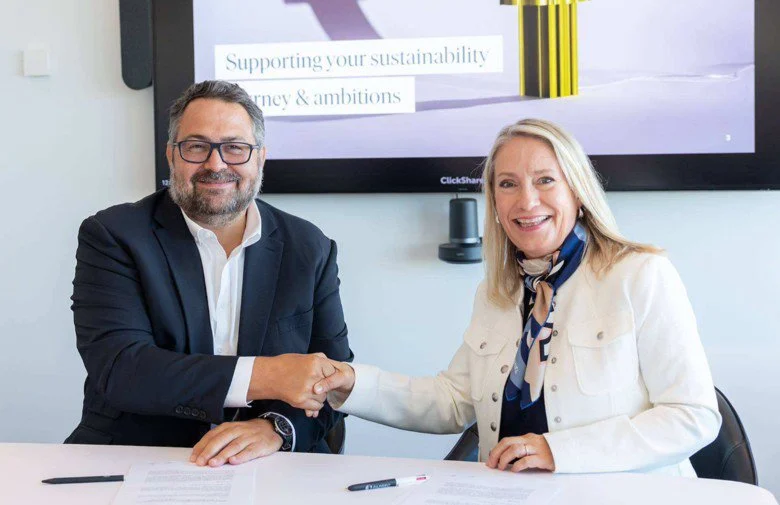
For Hydro, the agreement provides a framework for advancing lower-carbon aluminium applications in a sector with demanding technical specifications. For CHANEL, direct collaboration with a primary aluminium producer offers greater involvement in material development and the potential to address packaging-related emissions earlier in the production process, rather than relying exclusively on changes made at the finished-product stage.
The partnership also illustrates the growing importance of long-term supplier relationships in corporate sustainability strategies. Reducing emissions from industrial materials often requires investment, technical development and coordination across multiple stages of production, making such initiatives difficult to achieve through procurement decisions alone.
Nevertheless, the agreement represents a commitment to future development rather than an emissions reduction already achieved. Its environmental impact will ultimately depend on whether the targeted carbon footprint can be reached, how successfully recycled materials are incorporated and the extent to which the resulting aluminium solutions are adopted in commercial packaging.
As the luxury beauty industry continues to reassess the environmental implications of its products, the CHANEL–Hydro partnership highlights the increasing importance of material innovation and supply-chain collaboration. Its significance will be measured not only by the technical performance of lower-carbon aluminium, but also by the ability to translate development targets into verifiable reductions at an industrial scale.