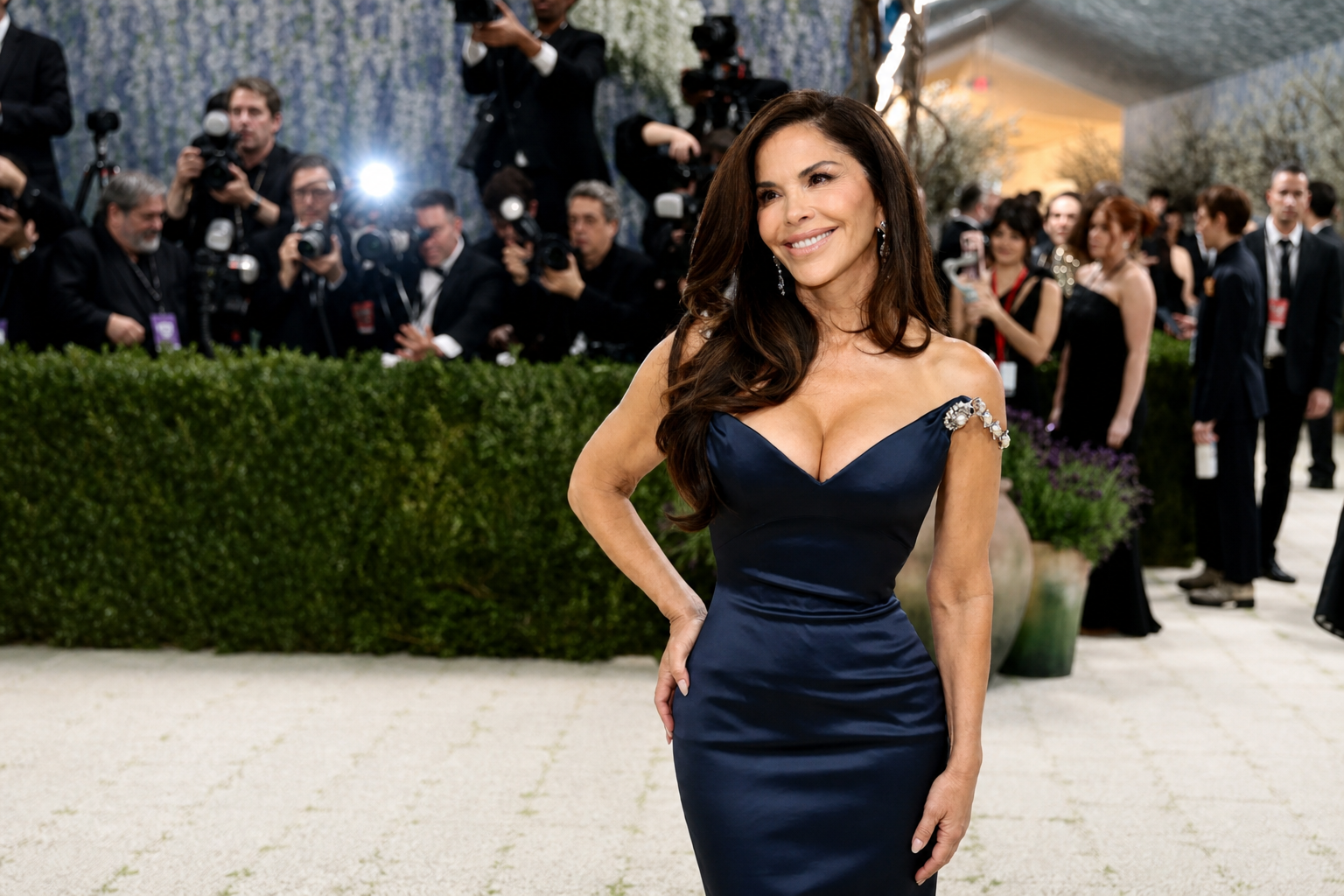
The 2026 Met Gala backlash exposed a larger cultural shift inside fashion. As Amazon and Jeff Bezos invest millions into sustainability, luxury and emerging designers, the industry is divided over whether big tech is saving fashion- or reshaping it for its own image.
This is exactly where the story becomes much more intelligent and nuanced than the average “eat the rich” discourse online. Is the anti-Bezos propaganda or billionaire worship- an exploration of fashion’s uncomfortable transition into a new era where sustainability, technology, cultural power and public morality are colliding in real time.
Luxury fashion loves the aesthetics of sustainability, but scaling sustainability is expensive. This is where companies like Amazon become impossible to ignore.
And that is a far more complicated conversation that TFI would like to dig in.
The Bezos Strategy: From E-Commerce Empire to Cultural Patronage
For years, fashion treated Amazon as the industry outsider- too mass-market, too corporate, too transactional to belong in luxury’s carefully constructed universe of exclusivity and taste.
But quietly, Amazon and Jeff Bezos have spent the last decade building something far more strategic than a retail operation. They have been building institutional influence. Through sustainability grants, emerging designer funds, textile innovation financing, fashion-tech investments and partnerships with organizations like the CFDA, Vogue and the Metropolitan Museum of Art, Amazon is no longer simply trying to sell fashion. It is trying to help shape fashion’s future. And that is precisely why the backlash surrounding the 2026 Met Gala became so emotionally charged.
Because the criticism was never really about a dress code, a red carpet or even Lauren Sánchez Bezos herself. It was about what happens when one of the world’s most powerful corporations moves from commerce into culture.
For critics, Amazon represents hyper-consumption, labor controversies and the industrialization of convenience.
The idea of the company becoming a patron of sustainable luxury feels contradictory – even cynical. But the other side of the conversation is harder to dismiss.
Fashion’s sustainability crisis is enormous. The industry is one of the world’s biggest polluters. Textile innovation requires billions in research, infrastructure and technological development. Circular supply chains, low-impact materials, AI traceability systems and scalable sustainability solutions cannot be funded by independent designers alone.
Can an industry genuinely claim to want systemic sustainability transformation while rejecting the companies capable of financing large-scale change? Or does accepting that funding risk allowing corporations to rehabilitate their public image through cultural institutions? The 2026 Met Gala exposed this tension publicly.
The Bezos Earth Fund’s multi-million-dollar investments into sustainable textiles and emerging designers are not insignificant gestures. Neither is Amazon’s growing involvement in circular logistics, material innovation and climate-focused fashion initiatives. Whether one likes Bezos or not, very few entities on earth possess the capital, infrastructure and technological capacity to potentially accelerate sustainable transformation at a global scale, and that creates an uncomfortable paradox for fashion.
Fashion has always depended on wealthy patrons. Historically, museums, couture houses and cultural institutions were financed by industrial families, oil dynasties, banking fortunes and luxury conglomerates. What has changed is not the existence of powerful donors- it is the visibility of public scrutiny.
Today’s audiences investigate where money comes from, how wealth was built and whether ethical contradictions invalidate cultural patronage altogether.
That is why Lauren Sánchez Bezos became such a lightning rod.
The reaction to her presence revealed something deeper than fashion criticism. Much of the online discourse moved beyond legitimate conversations about wealth and corporate influence into highly personal attacks about her appearance, femininity, body image and perceived “class.”
Women associated with powerful men have historically become symbolic targets during moments of public backlash. But in Sánchez’s case, the criticism also reflected modern anxieties around visibility, femininity and social mobility.
She does not present herself in the restrained, understated aesthetic traditionally associated with old-money cultural elites. Her image is hyper-visible, glamorous, surgically polished and unapologetically performative. In luxury spaces still deeply influenced by coded ideas of “taste,” that visibility itself becomes provocative.
There is also an undeniable misogynistic dimension to how women in high-profile relationships are discussed publicly. Male billionaires are often criticized for monopolies, labor practices or political influence. Women beside them are far more likely to be dissected aesthetically and personally – their faces, bodies, clothing, behavior and “worthiness” becoming public debate.
Can an industry genuinely claim to want systemic sustainability transformation while rejecting the companies capable of financing large-scale change? Or does accepting that funding risk allowing corporations to rehabilitate their public image through cultural institutions? The 2026 Met Gala exposed this tension publicly.
In many ways, Lauren Sánchez Bezos became the perfect symbol for the contradictions surrounding the modern luxury industry: wealth and sustainability, philanthropy and power, femininity and ridicule, innovation and overconsumption and culture, and corporate influence.
The Met Gala backlash ultimately revealed less about one couple and more about fashion’s growing identity crisis.
Luxury can no longer exist in a vacuum where aesthetics are separated from ethics, labor, climate politics or wealth inequality. But at the same time, the industry may also have to confront an uncomfortable reality: the transition toward a more sustainable future may require collaboration with the very corporate powers many consumers distrust. And that may become fashion’s defining contradiction of the next decade.