The sixth edition of The House of Fashion brought Portuguese and international labels to Santo Tirso, alongside emerging talent from Escola Profissional do Ave, whose work highlighted the role of textile heritage, material experimentation and responsible design in shaping the industry’s future.
At Fábrica de Santo Thyrso, an industrial landmark in northern Portugal’s historic textile region, the sixth edition of The House of Fashion brought together established labels and emerging talent on 24 October 2026. Among the presentations, the work of fashion design students from Escola Profissional do Ave offered a compelling perspective on how the next generation is approaching garment construction, material use and creative expression.
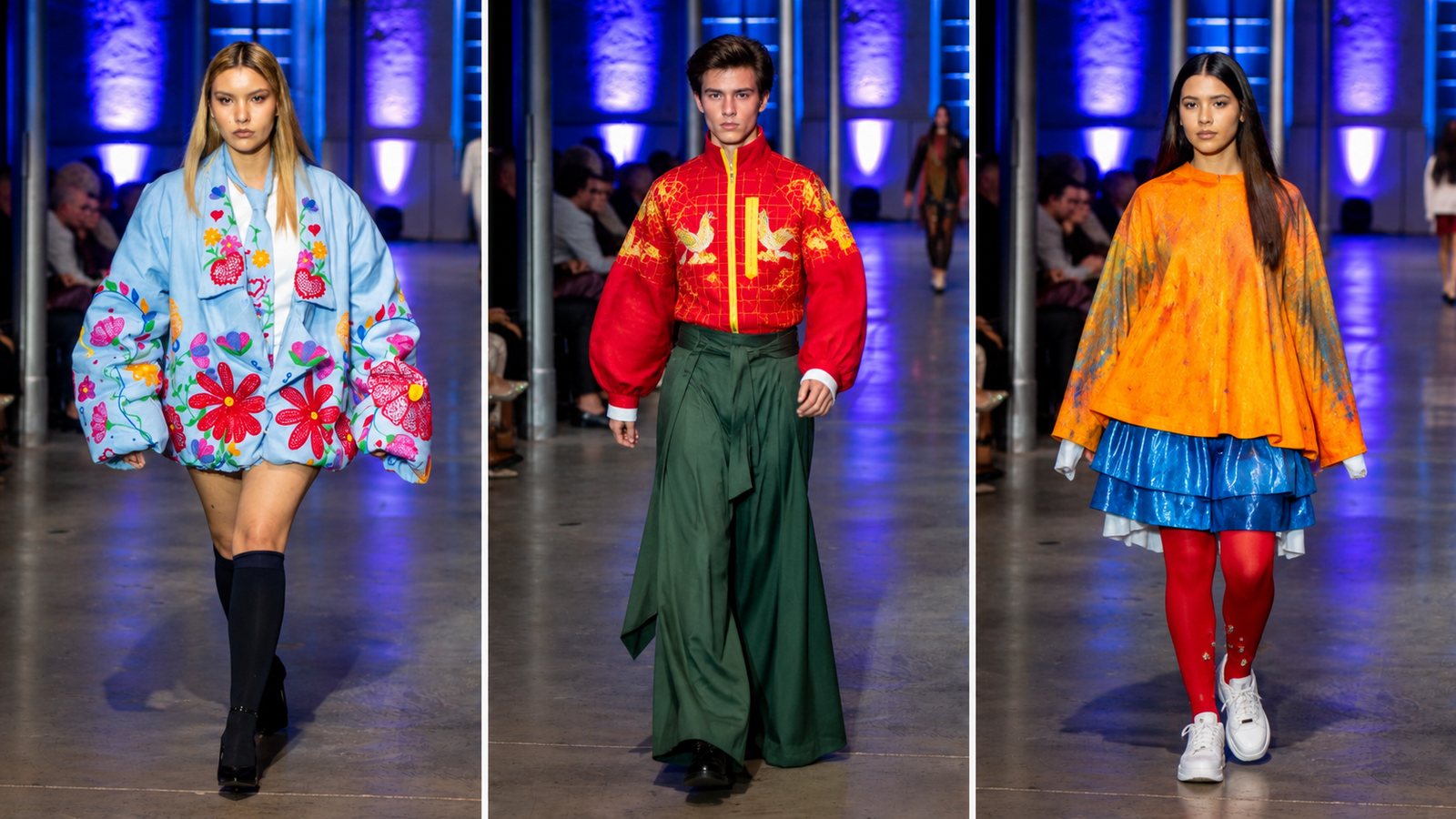
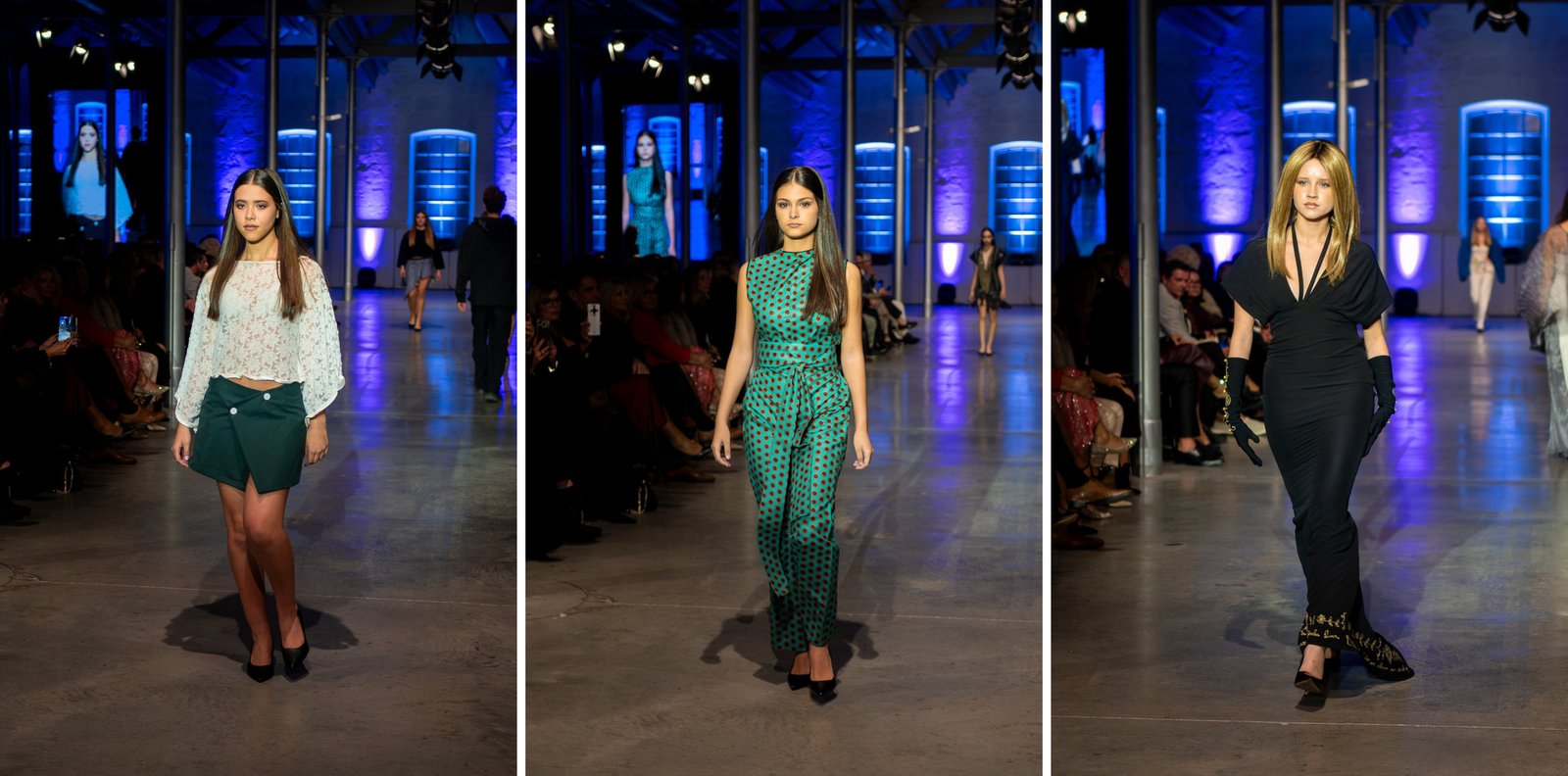
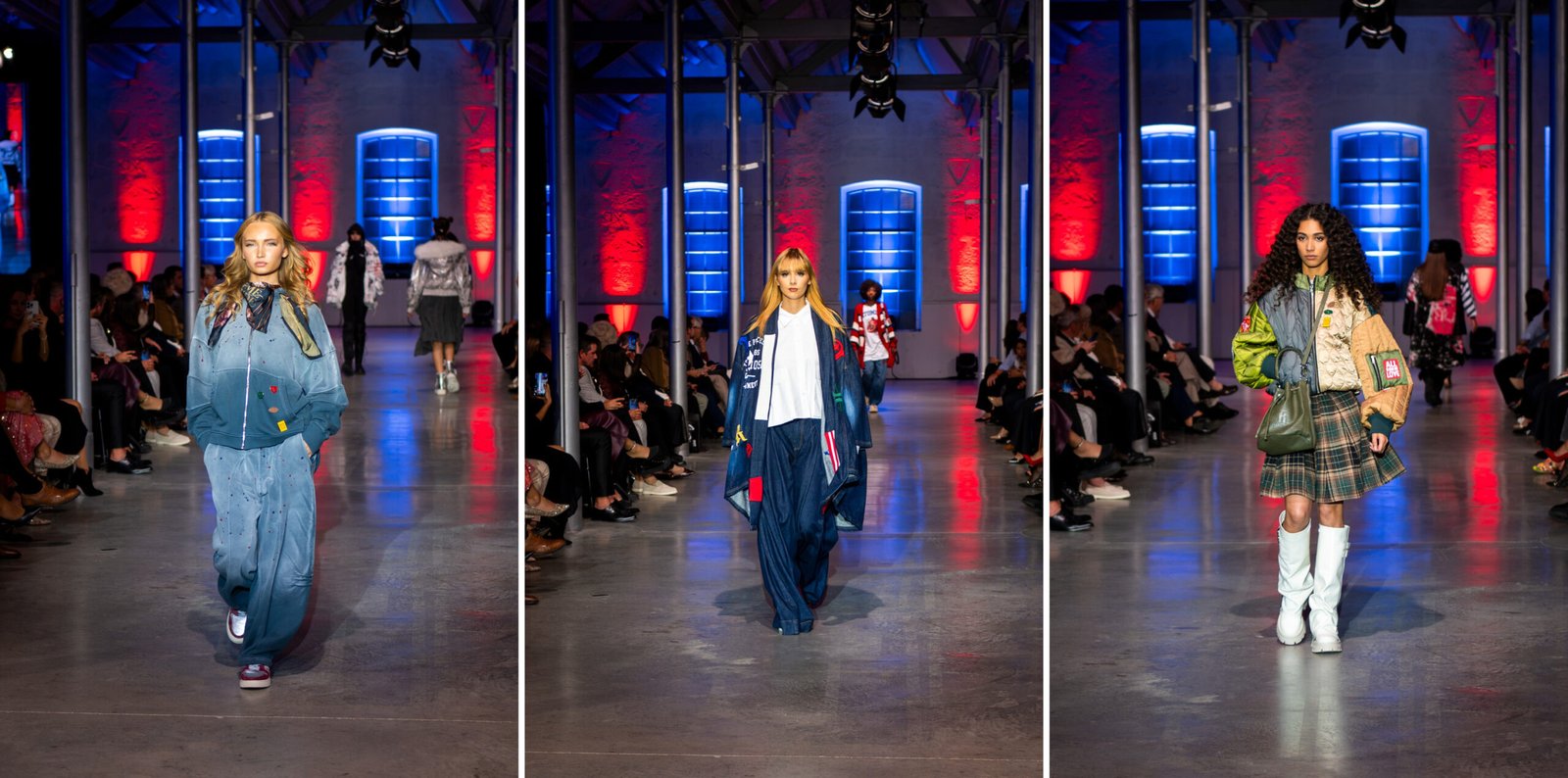
The school’s runway presentation moved between denim treatments, oversized streetwear, contemporary tailoring, expressive prints and experimental silhouettes. Layered fabrics, contrasting proportions, decorative embellishments and vivid colour combinations demonstrated the range of creative approaches emerging from its Fashion Design Course, where technical training is closely connected to material awareness and experimentation.
Based in Guimarães, Escola Profissional do Ave operates within the Vale do Ave, one of Portugal’s most established textile and clothing manufacturing regions. Its proximity to manufacturers, specialist producers and traditional craft practices provides a distinctive setting for fashion education, connecting students’ creative development with the industrial knowledge and resources available in the region.
The school’s participation formed part of a wider programme produced by IMC Models Agency in partnership with Paris Runway Official. The House of Fashion’s sixth edition welcomed more than 1,000 guests and featured 200 models, supported by over 100 backstage professionals.
From Deadstock to Design: Rethinking Fashion Education
Celebrating its 35th anniversary in September 2026, Escola Profissional do Ave has developed a recognised presence in Portuguese fashion education. Its former students include designers Luís Carvalho, Gonçalo Peixoto, Diogo Miranda and Rafael Freitas, whose careers illustrate the professional pathways available through vocational training. Many graduates enter regional textile and clothing businesses, while others pursue further education or establish independent labels.
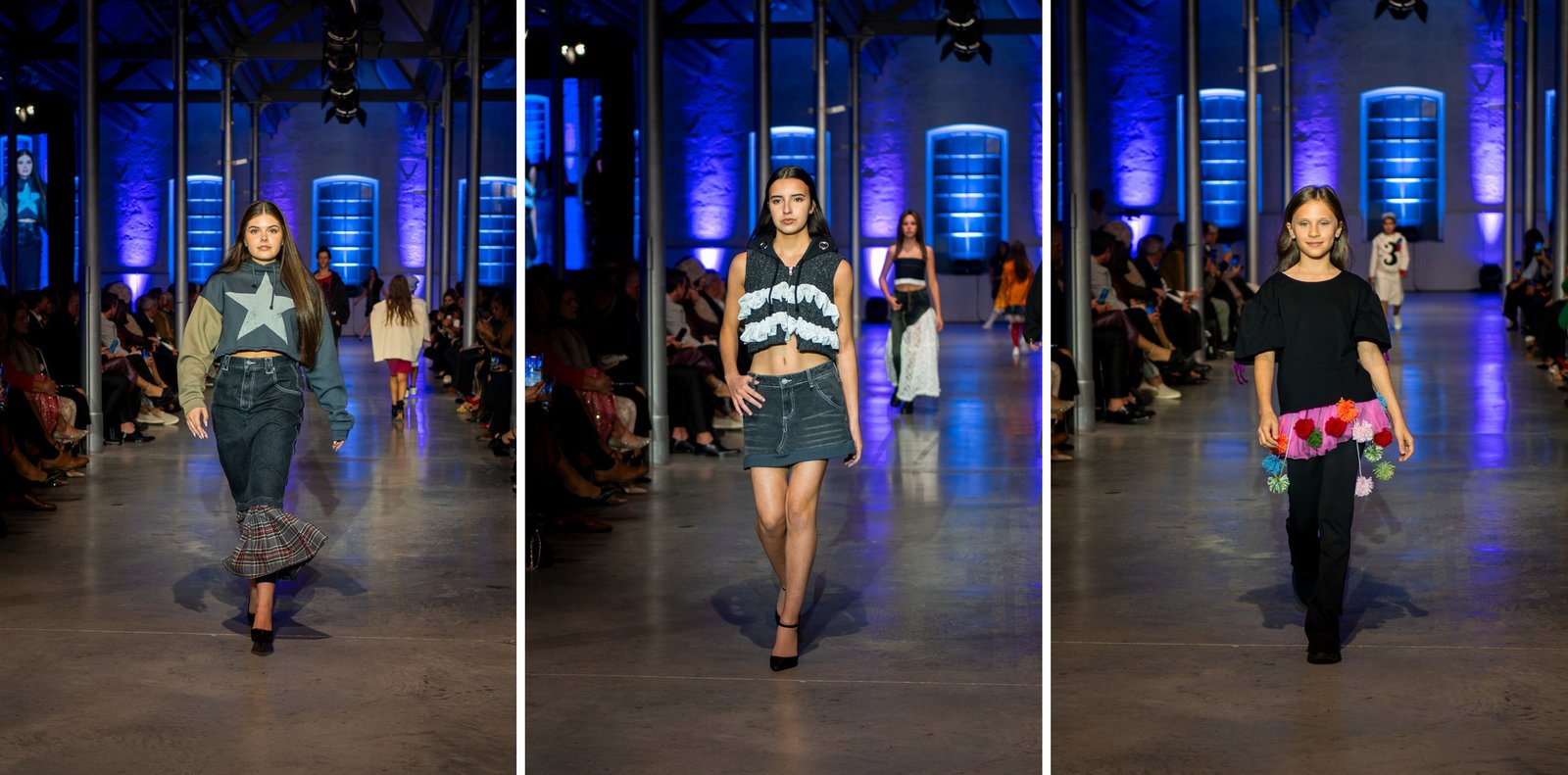
For Rosália Ruas, the school’s Fashion Design Course Coordinator, preparing students for the realities of the industry also means addressing the environmental consequences of clothing production. Sustainability is incorporated into the creative process through decisions about materials, construction, resource use and the life cycle of garments, rather than treated as a separate design category.
“As for sustainability, I honestly feel that leaving it out of our teaching would be irresponsible, given what we know about the environmental impact of the textile industry. For us, it goes beyond following a trend: it means helping students think about where materials come from, how they use them and what happens to the clothes they create.”
— Rosália Ruas, Fashion Design Course Coordinator, Escola Profissional do Ave
During the 2025–2026 academic year, students participated in a research project undertaken as part of Sofia Moreira’s doctoral work, in collaboration with the University of Minho, ToBeGreen and Minga London. The project involved developing a capsule collection using deadstock textiles supplied by Minga London, with selected pieces prepared for presentation at The House of Fashion.
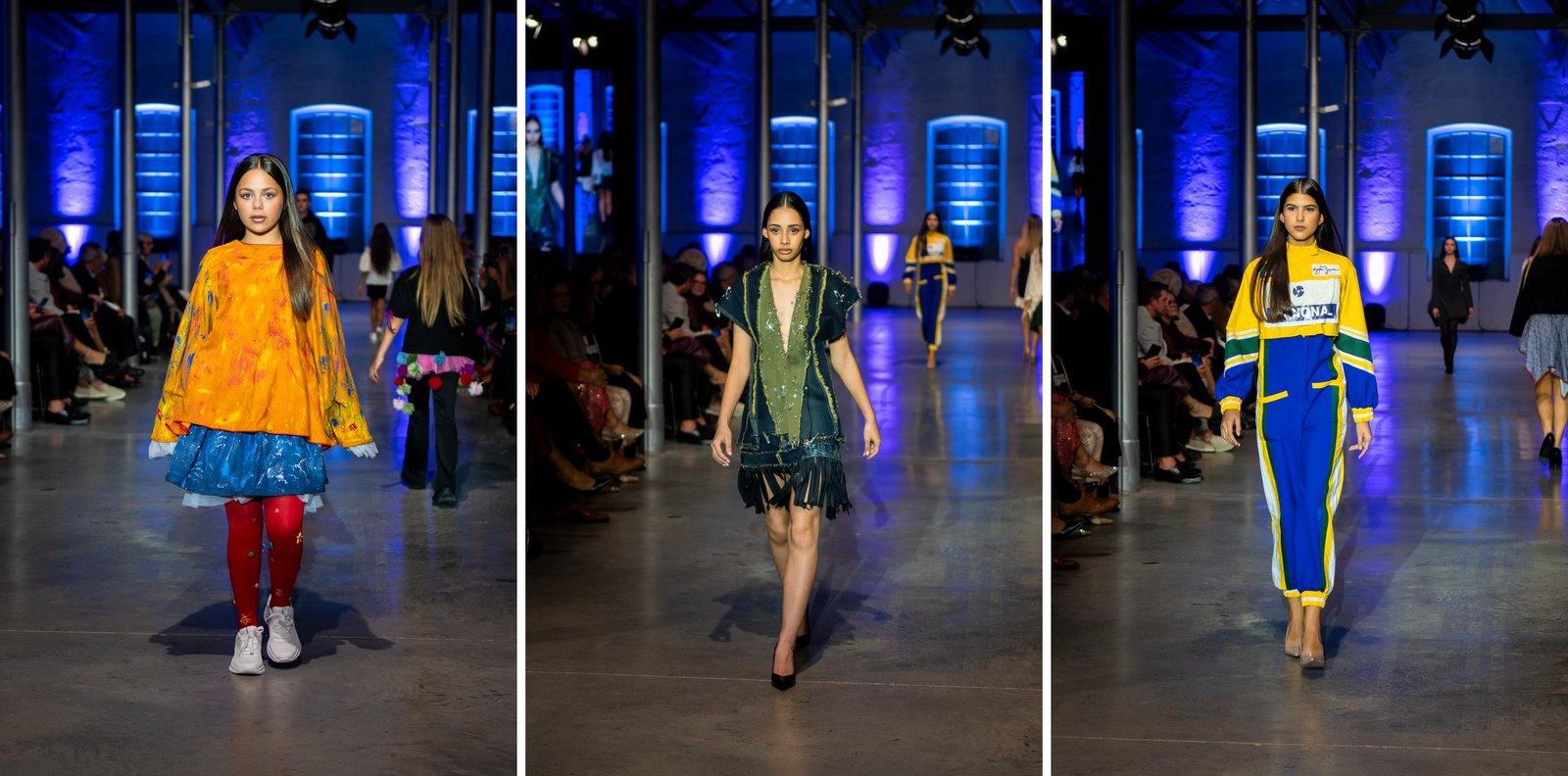
Working with existing textile inventories challenges the conventional relationship between a design concept and the materials selected to realise it. Instead of sourcing fabrics to execute a predetermined idea, students must respond to the characteristics, quantities and limitations of what is already available, allowing the material itself to influence the direction of the design.
“What makes this particularly valuable as a learning experience is that students have to respond creatively to the materials available. Rather than choosing a fabric to fit an idea, they often need to rethink the idea around the fabric.”
— Rosália Ruas, Fashion Design Course Coordinator, Escola Profissional do Ave
Such an approach develops skills that extend beyond aesthetic experimentation. Limited fabric quantities, variable material properties and the need to adapt construction techniques require students to make considered decisions throughout the development process. These constraints can become sources of creativity while introducing the practical challenges associated with using existing textile resources.
The school’s runway presentation demonstrated considerable stylistic diversity. Distressed denim and layered streetwear appeared alongside structured garments, graphic textile combinations, decorative surface treatments and experiments with volume. The visual range illustrated how material-conscious design can accommodate different aesthetics, from everyday clothing to more expressive fashion statements, without being defined by a single stylistic identity.
Beyond the doctoral research collaboration, all student projects at Escola Profissional do Ave incorporate surplus materials from the textile industry. The curriculum has also included at least one dedicated upcycling project annually for the past five years, reinforcing the school’s commitment to developing creative solutions around existing resources.
“Sustainability may not be a formal requirement, but it is our responsibility.”
— Rosália Ruas, Fashion Design Course Coordinator, Escola Profissional do Ave
The influence of this approach is becoming apparent in the students’ independent work. Ruas noted that all final projects scheduled for public presentation in July incorporated sustainability in some form, despite the absence of a compulsory sustainability theme. For the course coordinator, this suggests that environmental considerations are becoming an instinctive part of students’ design decisions rather than a response to specific assignments.
Connecting Textile Heritage With Fashion’s Next Generation
The school’s educational approach is closely connected to the industrial landscape of the Vale do Ave, where textile manufacturing has shaped local employment, technical expertise and business development for generations. This environment offers students access to a network of producers and specialist knowledge that can inform their understanding of how garments move from concept to production.
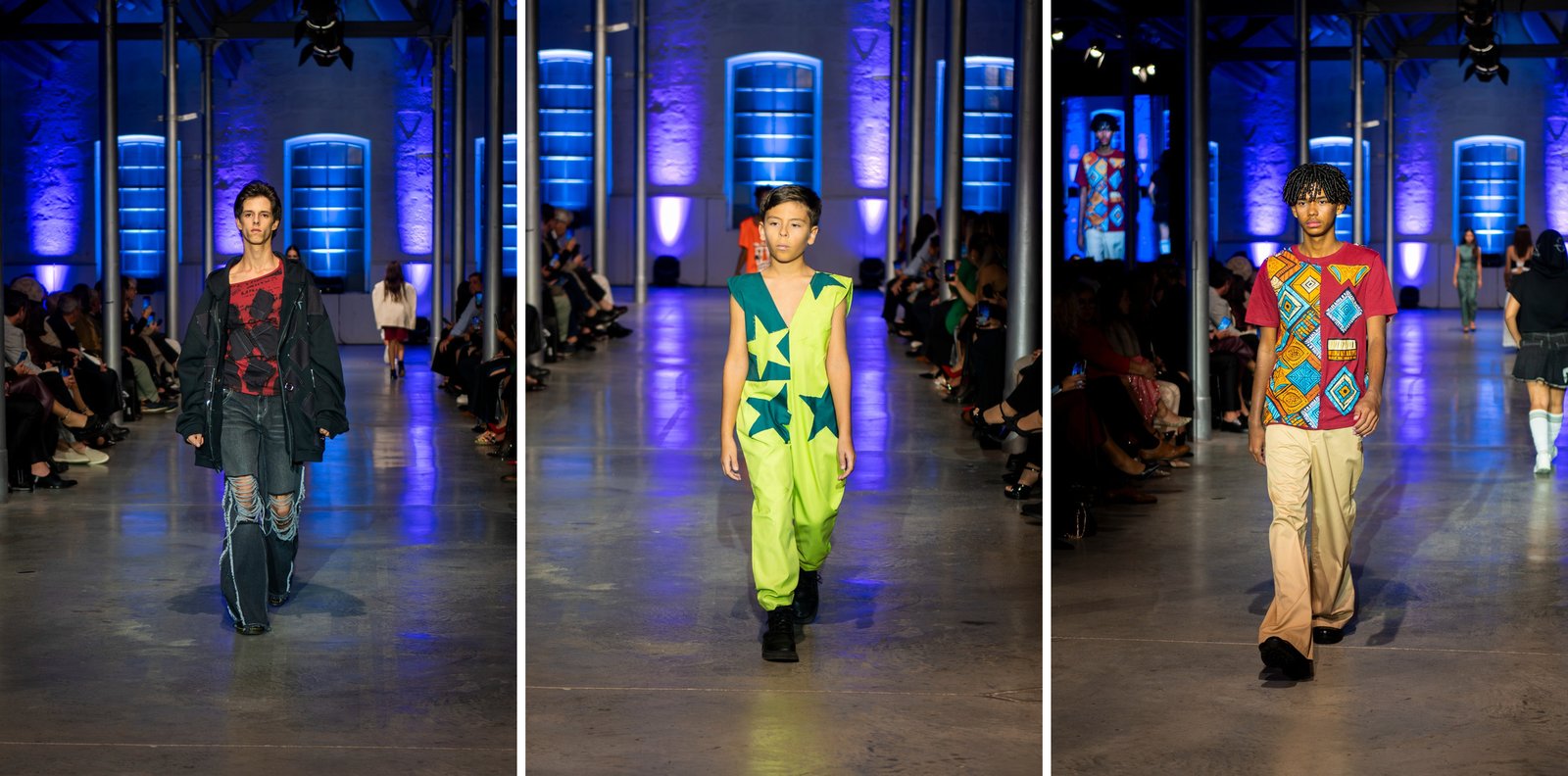
Alongside contemporary manufacturing techniques, the Fashion Design Course encourages engagement with regional craftsmanship, including embroidery and other traditional textile practices. Collaboration with small local businesses and an emphasis on slow fashion introduce students to production methods and skills that can offer alternatives to standardised, high-volume manufacturing.
For Ruas, innovation does not necessarily require abandoning established knowledge. Traditional techniques and local resources can provide a foundation for contemporary experimentation, particularly when students are encouraged to reinterpret them rather than reproduce them unchanged.
“I think there’s real value in showing them that innovation can also come from looking closely at the knowledge and resources already around us.”
— Rosália Ruas, Fashion Design Course Coordinator, Escola Profissional do Ave
This connection between heritage and experimentation is particularly relevant to Portugal’s fashion industry, where manufacturing expertise remains an important competitive asset. Understanding fabric properties, garment construction and specialist production processes can help emerging designers translate creative ideas into technically viable products, while collaboration with local businesses offers insight into the commercial realities of the sector.
The school’s approach also highlights the importance of preserving practical knowledge through education. As students encounter traditional skills alongside contemporary design methods, they gain opportunities to consider how regional expertise can be adapted to changing consumer expectations, production requirements and environmental priorities.
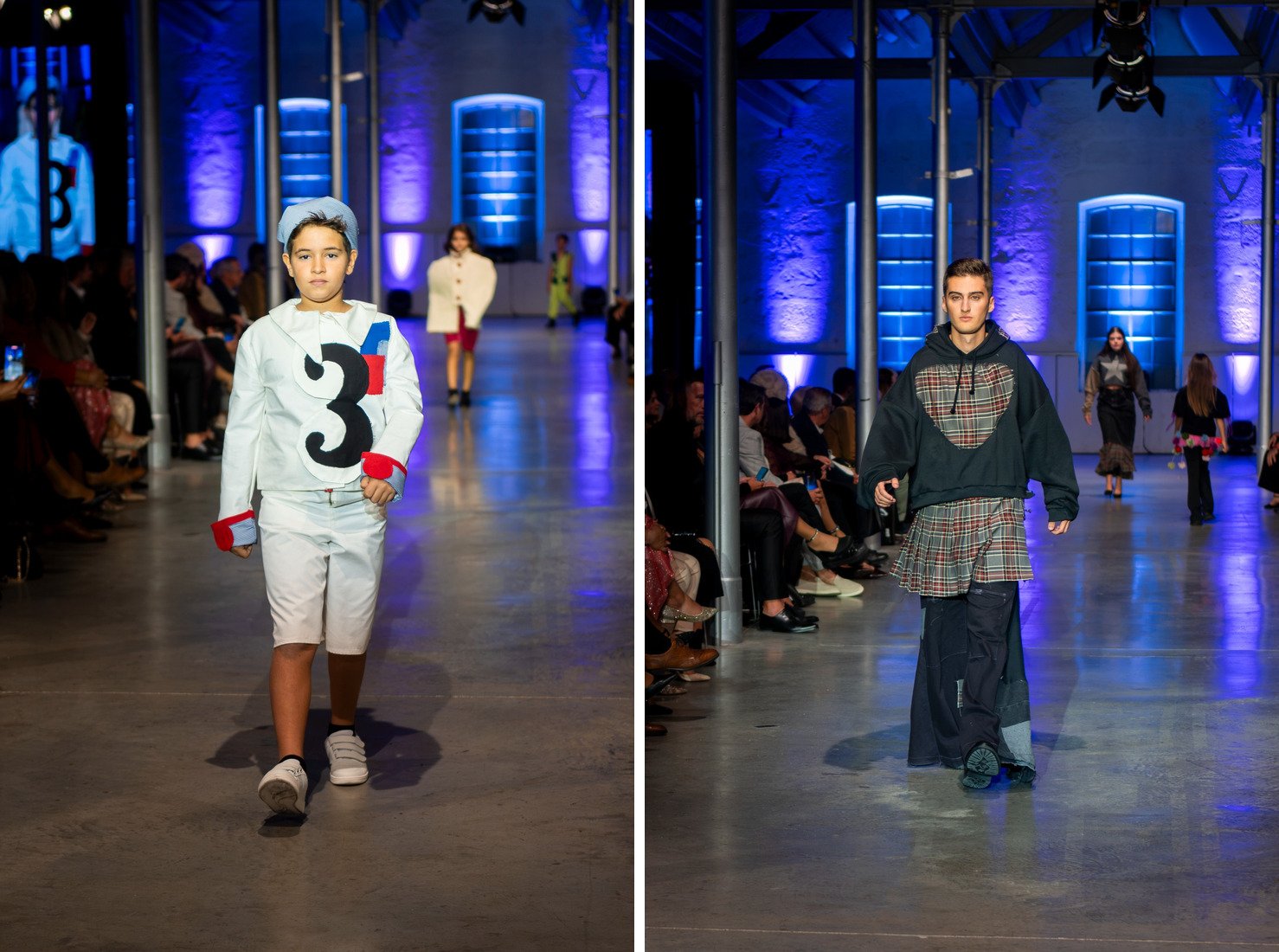
Presenting their work at The House of Fashion placed these educational experiences within a professional runway environment. For students still developing their creative identities, the opportunity to see garments presented alongside established fashion labels provides exposure to the standards, coordination and public presentation involved in the industry.
Yet the significance of their participation extends beyond the event itself. By integrating material awareness, technical knowledge and independent experimentation into its teaching, Escola Profissional do Ave is preparing students to approach fashion design as a discipline that involves creative decisions as well as an understanding of their consequences.
For Ruas, the most encouraging development is seeing students embrace these principles through their own work, without sustainability being imposed as a compulsory theme. Their growing independence suggests that responsible design is becoming part of how they understand the profession they are preparing to enter.
“It gives me hope for the next generation!”
— Rosália Ruas, Fashion Design Course Coordinator, Escola Profissional do Ave
Portuguese and International Labels at The House of Fashion
Beyond the student presentation, the sixth edition of The House of Fashion brought together established Portuguese designers and international labels, reflecting the breadth of creative talent represented at the Santo Tirso event.
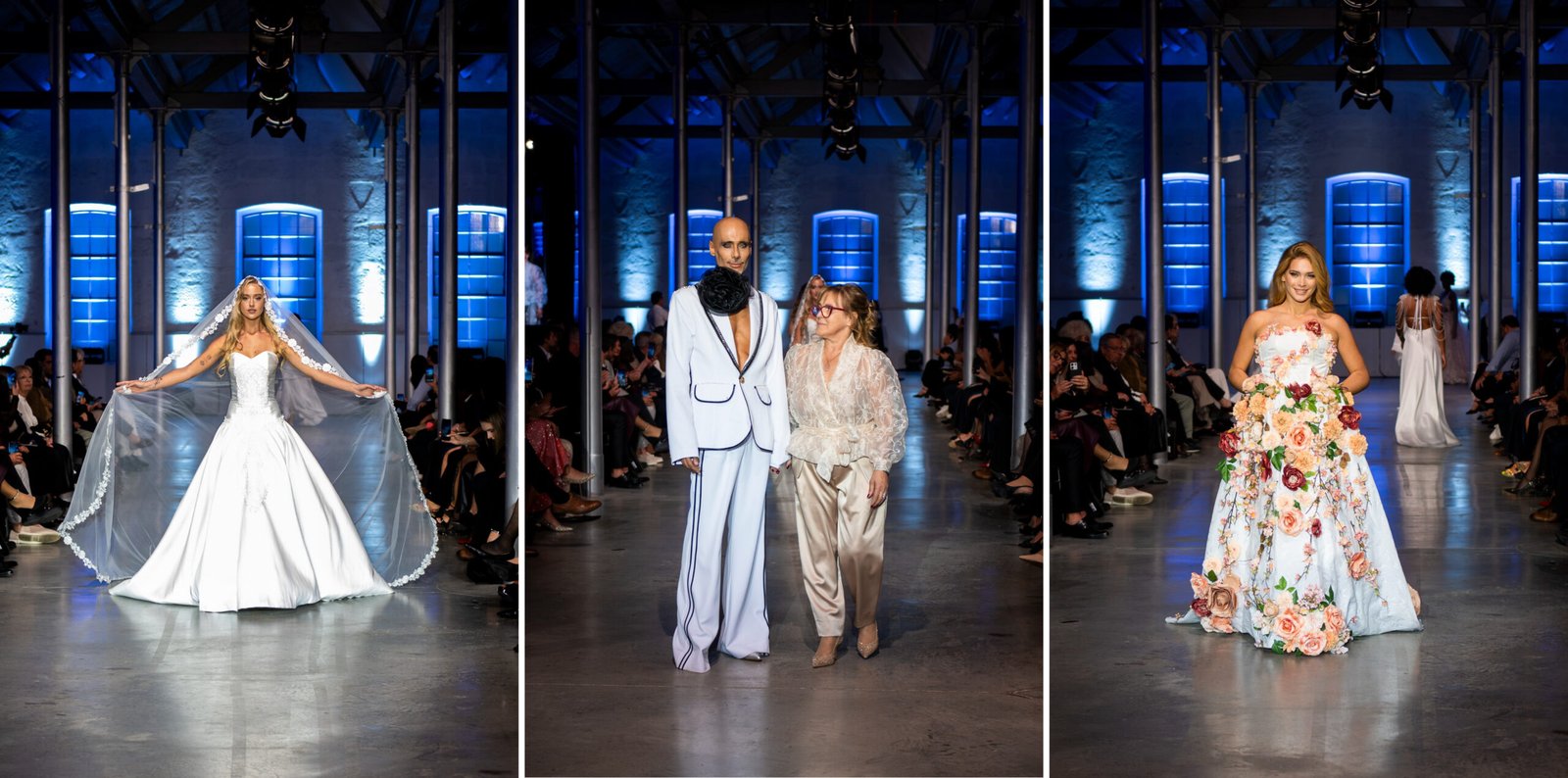
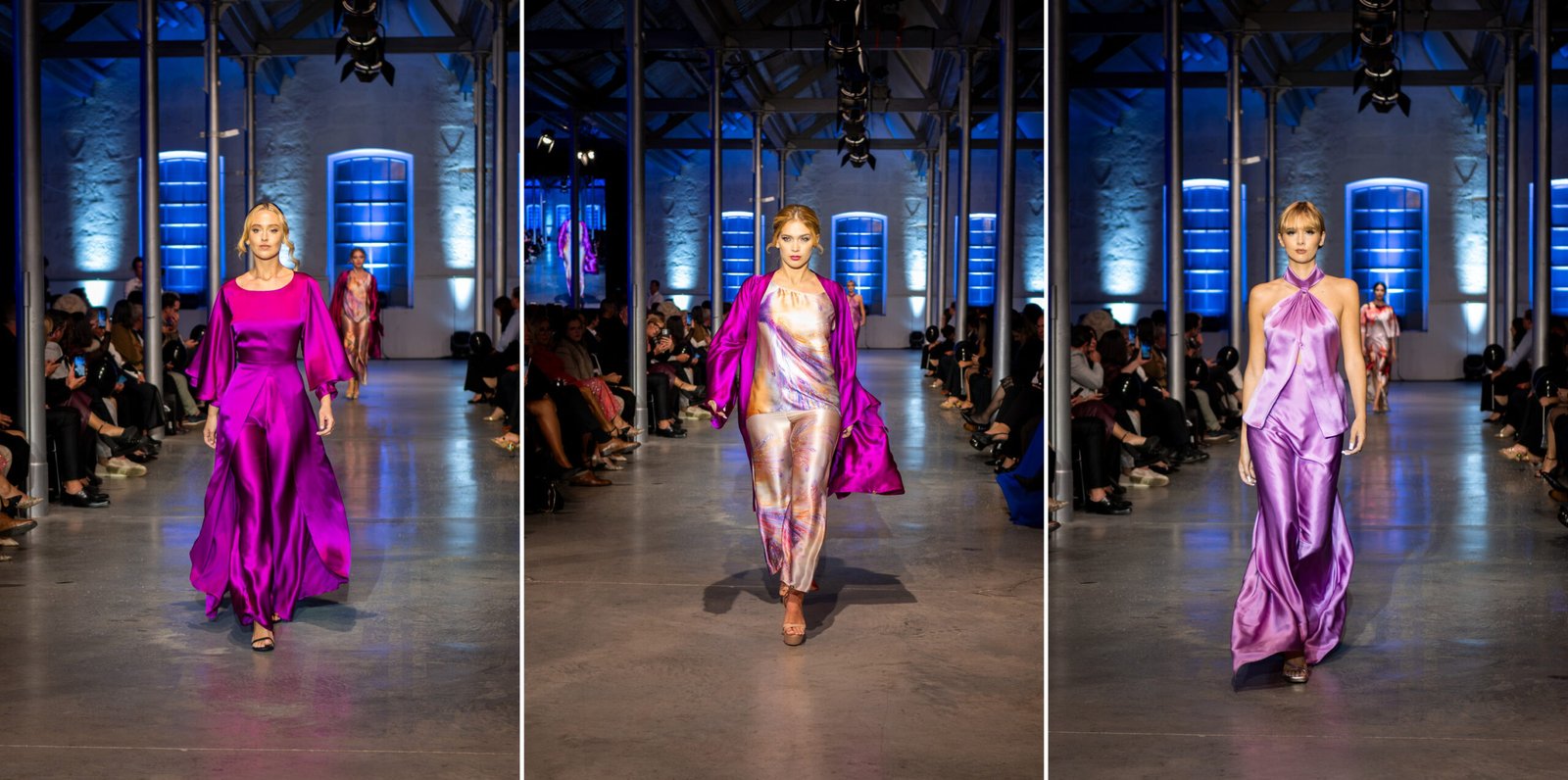
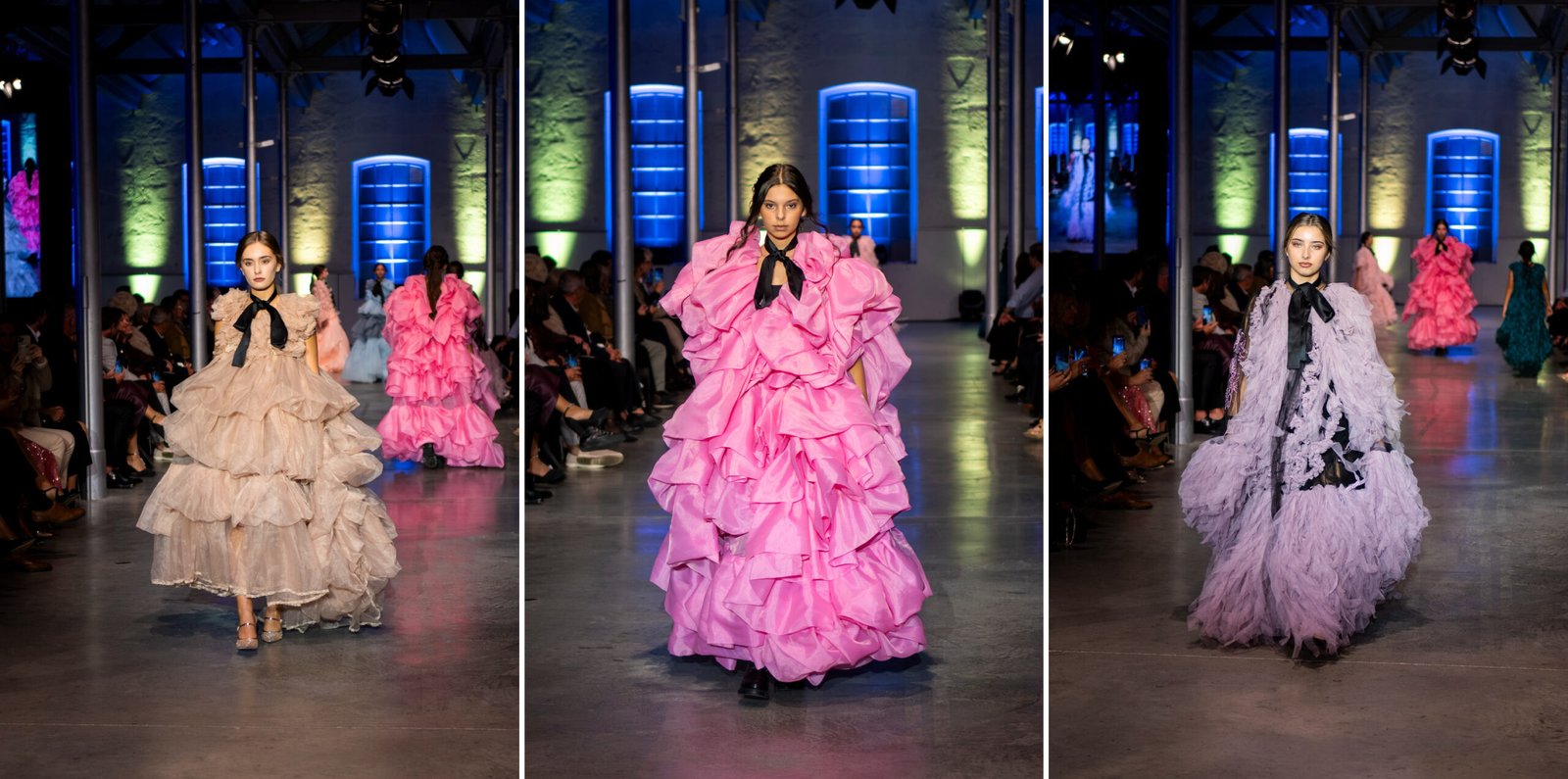
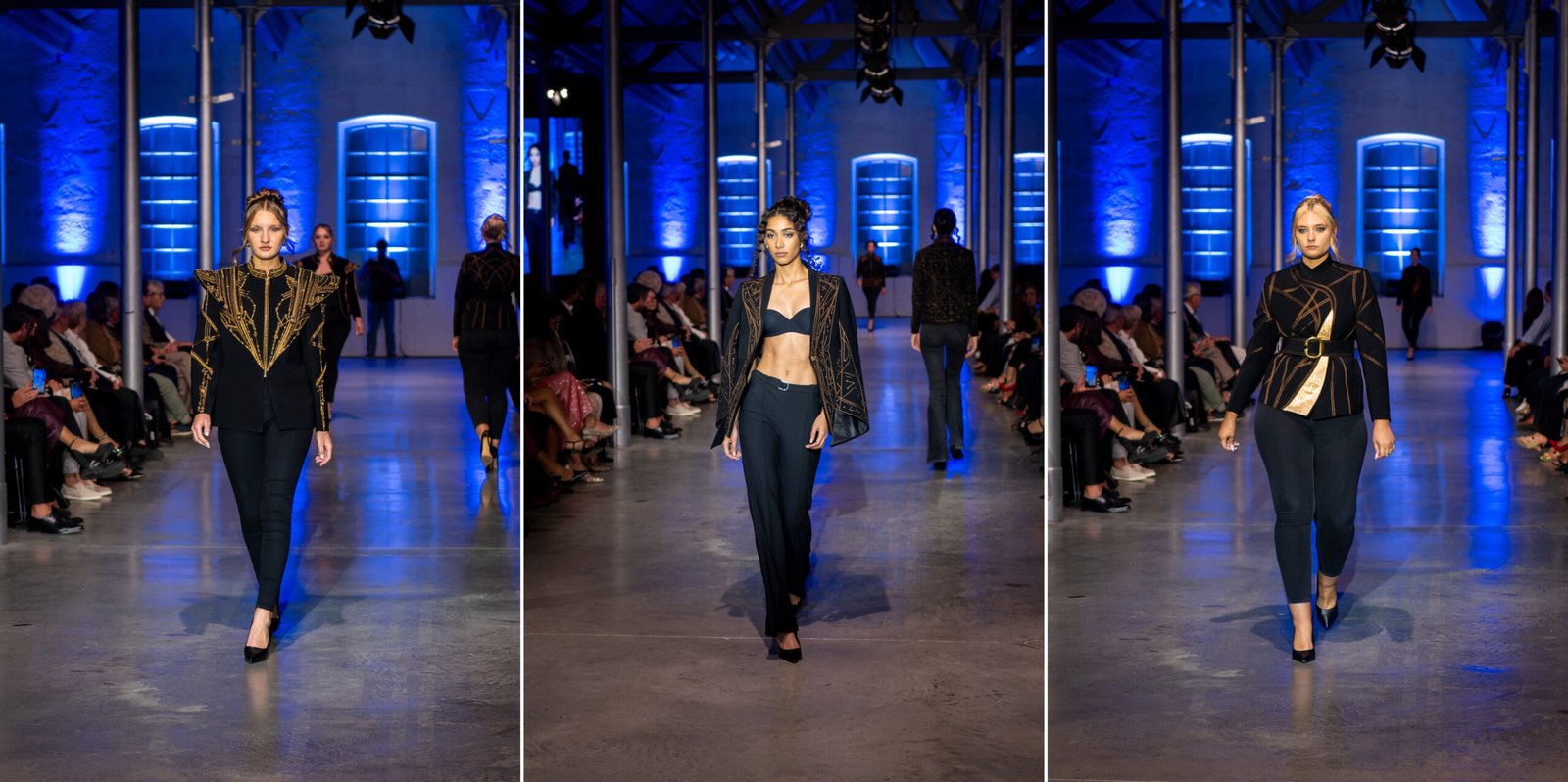
The Portuguese lineup included Micaela Oliveira, Conceição Leite and Lezon, alongside Nortada. International participation came from Italian labels Via Delle Rose (VDR), Relish and Gaudi, Ukrainian brand By Vel, British brand ORASCI and Irish brand Original Ireland.
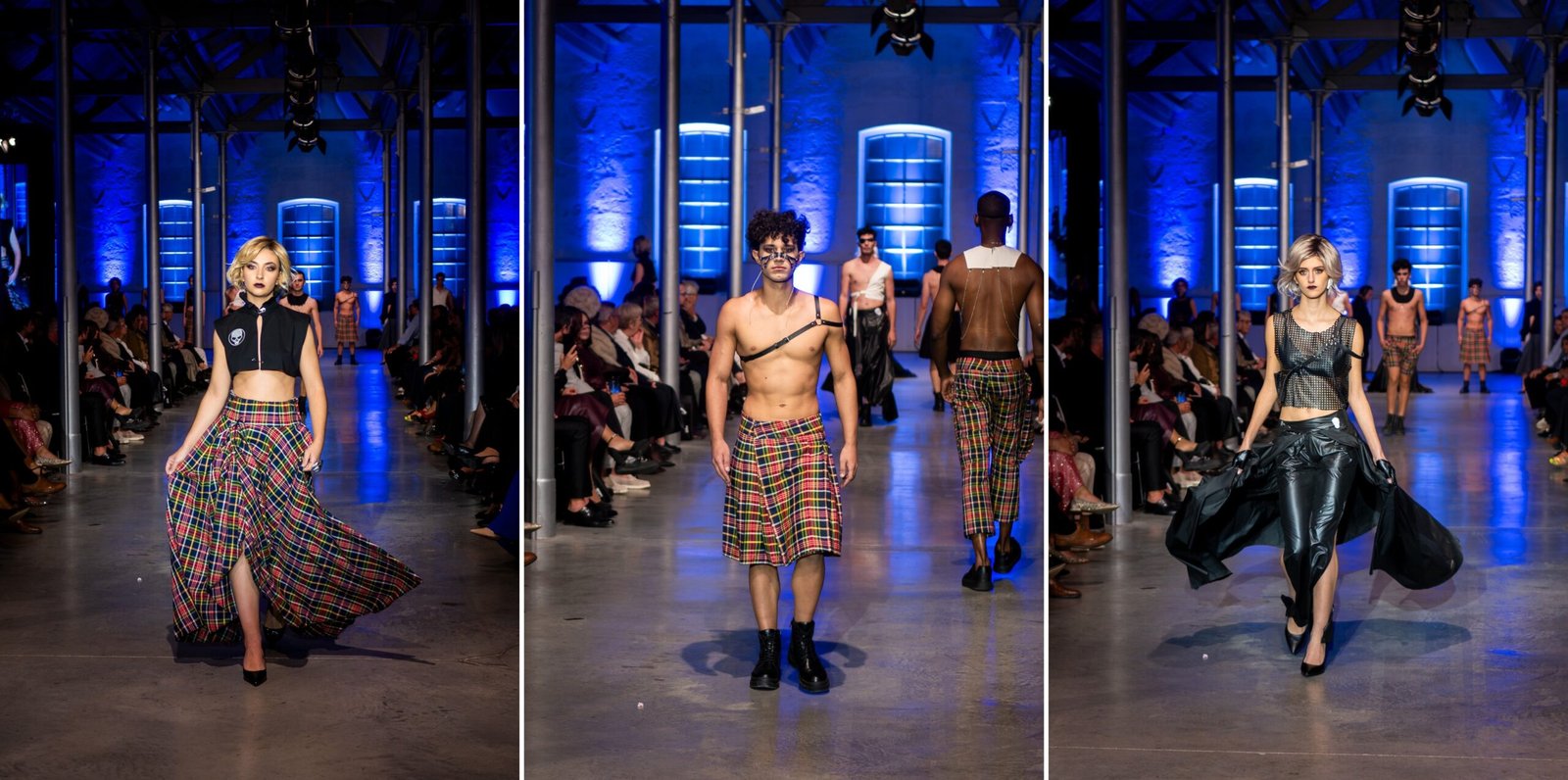
The programme brought together designers and brands at different stages of professional development, creating a shared platform for collections with distinct creative and commercial identities. The presence of emerging talent alongside established labels also reflected the event’s broader role in connecting fashion education with the professional industry.
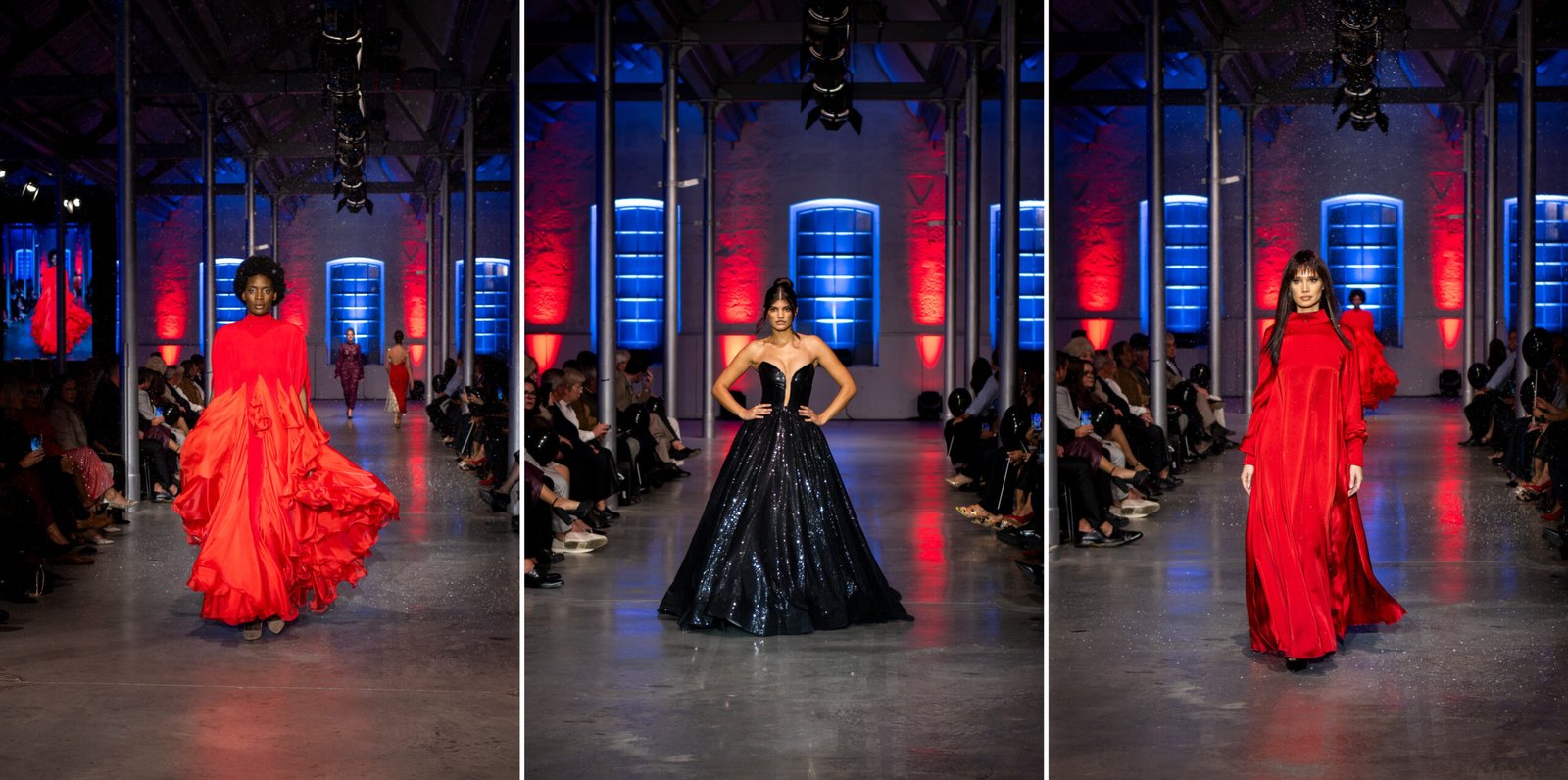
Among the guests were Portuguese public figures Cláudia Jacques, Sara Esteves Cardoso and Conceição Queiroz, alongside representatives from the country’s fashion, television and media sectors. The event generated more than two million views across social media platforms, extending its digital visibility beyond the runway audience.
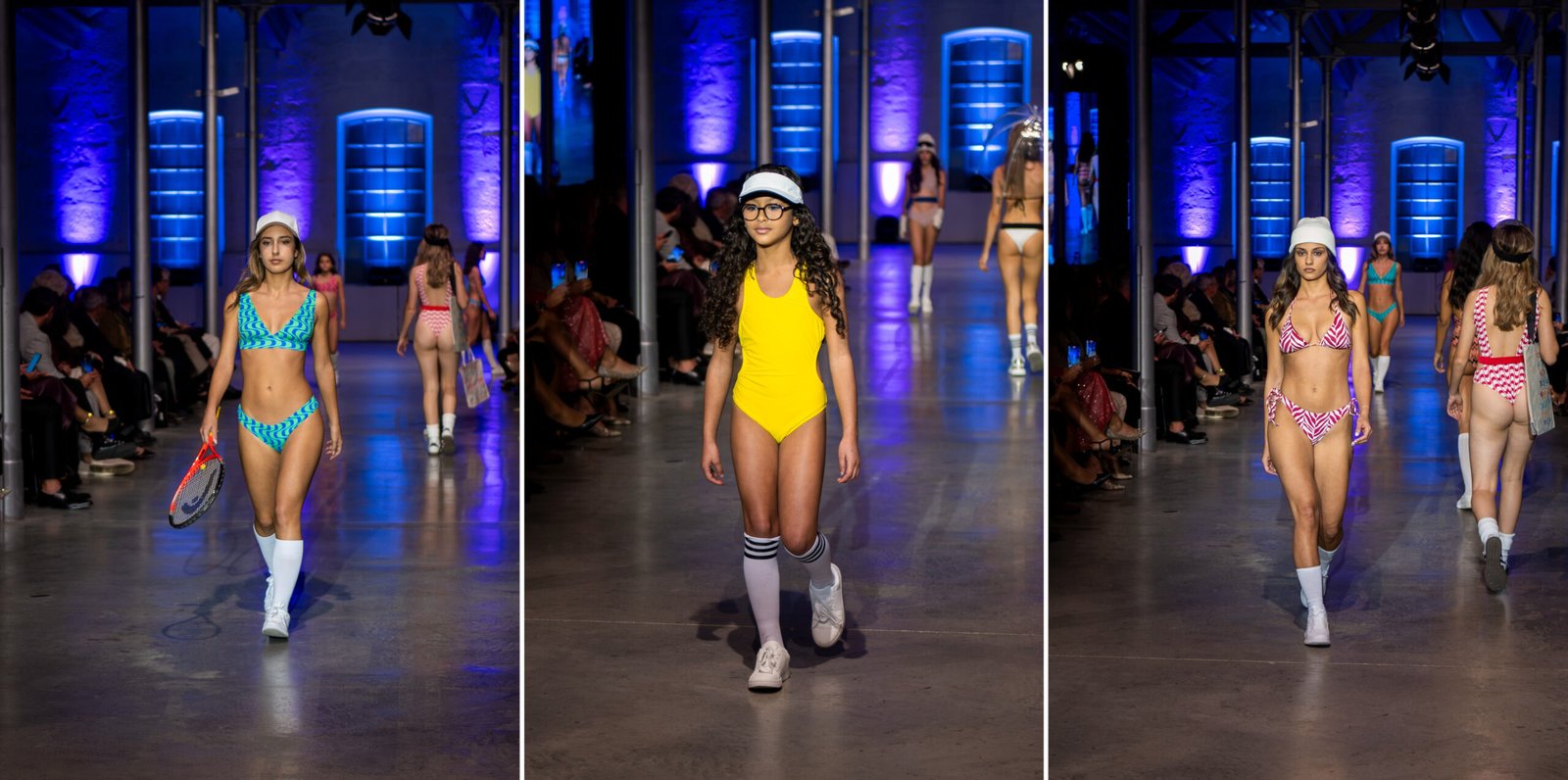
Gena Martin of Paris Runway Official contributed to the event’s media coverage through content creation and interviews with participating designers, public figures and selected models, documenting the collections and the creative perspectives behind them.
The production also drew on an extensive network of specialist partners. Associação dos Cabeleireiros de Portugal was responsible for hairstyling, while IEFP Rio Meão contributed to hairstyling, makeup and multimedia production, with trainees participating in the event’s technical and creative operations. Zélia Teixeira supplied wigs for several runway presentations, and OMNA Agency documented backstage activity, runway highlights and the wider production.
Pés de Linho provided foot-care services for models and team members, while Restaurantes Arte Nova and JMCoutinho supported the sixth edition as official sponsors. The involvement of these businesses and institutions demonstrated the range of professional disciplines required to deliver a large-scale fashion event, from beauty and image production to vocational training and specialist services.
Images courtesy of IMC Models.
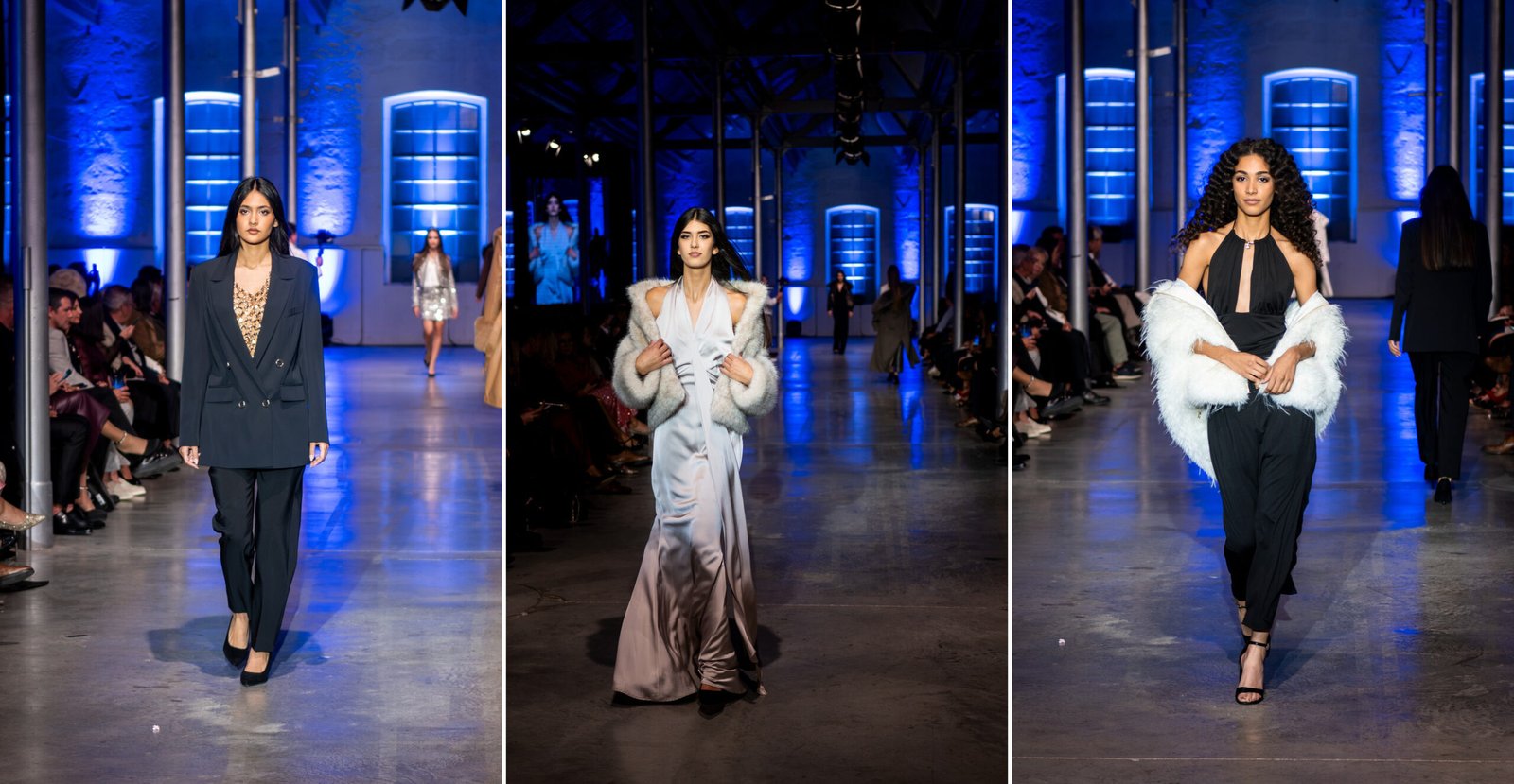
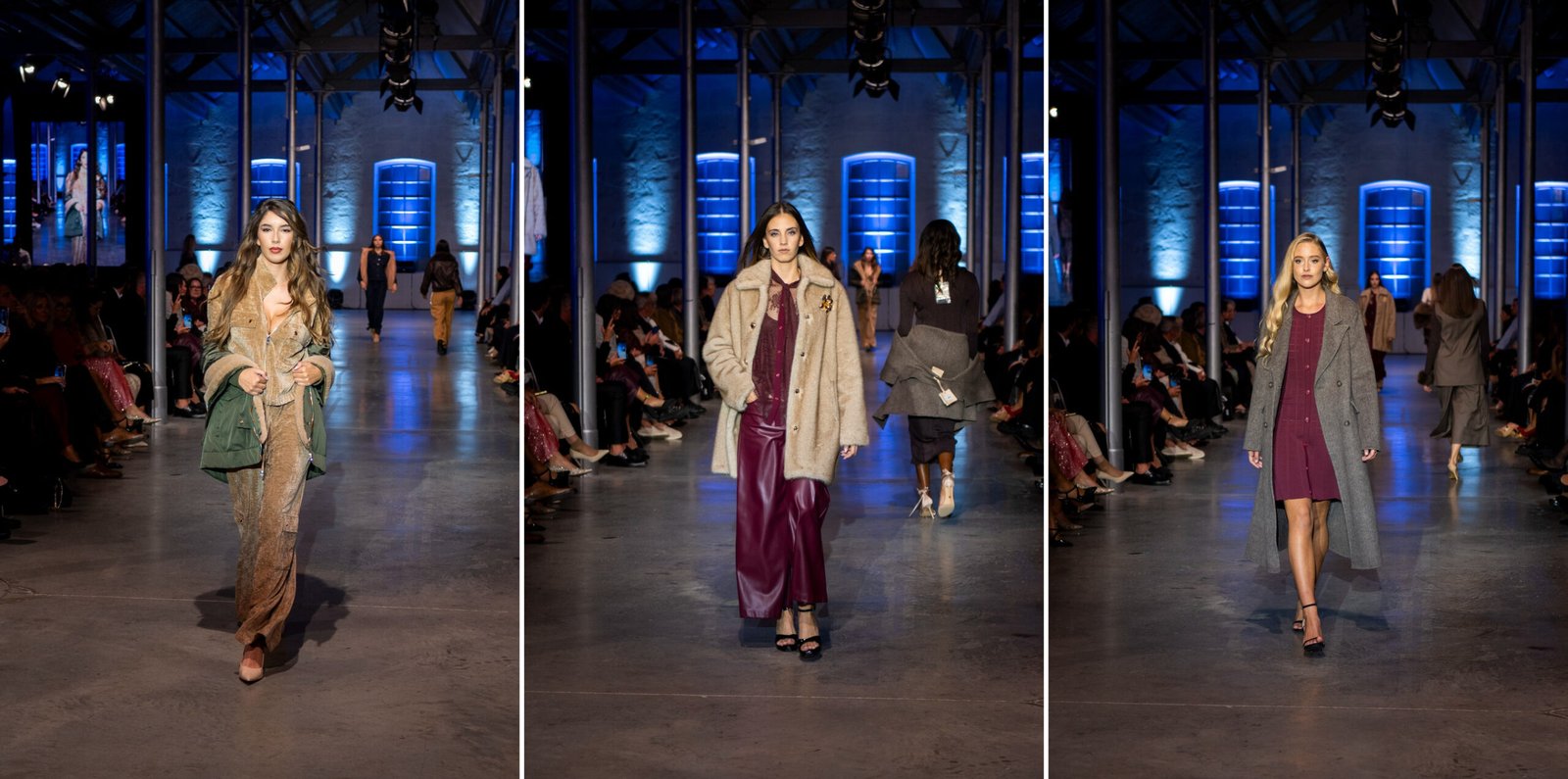
Images courtesy of IMC Models
The House of Fashion’s sixth edition illustrated the value of bringing established industry participants and emerging talent into the same professional setting. While its international lineup reflected the diversity of contemporary fashion, the contribution of Escola Profissional do Ave offered a perspective on the industry’s future, highlighting how education, material experimentation and regional manufacturing knowledge can help shape the designers entering Portugal’s fashion sector.
Produced by: IMC Models Agency | Instagram
International partner: Paris Runway Official
Further information: The House of Fashion — Official Website