
The Hong Kong trade show brought ingredient suppliers, packaging specialists and beauty brands together. A sustainability shortlist put 24 products in focus, while leaving open how their claims were assessed.
At Cosmoprof Asia 2026, a beauty buyer could spend one day looking at finished skincare and fragrance and the next speaking to the companies that formulate, package and manufacture them. The 29th edition of the Hong Kong trade show made that distinction physical. Cosmopack Asia ran from 10 to 12 November at AsiaWorld-Expo, while Cosmoprof Asia presented finished products from 11 to 13 November at the Hong Kong Convention and Exhibition Centre.
The two shows brought together more than 2,800 exhibitors from 43 countries and regions, according to organisers BolognaFiere and Informa Markets. For brands looking to change how their products are made, the supply-side exhibitors were particularly relevant. Decisions about which ingredients a supplier can trace, how a container can be refilled or what a contract manufacturer can produce at scale often take shape well before a product reaches the shelf.
What Cosmoprof Asia 2026’s Shortlist Tells Byers
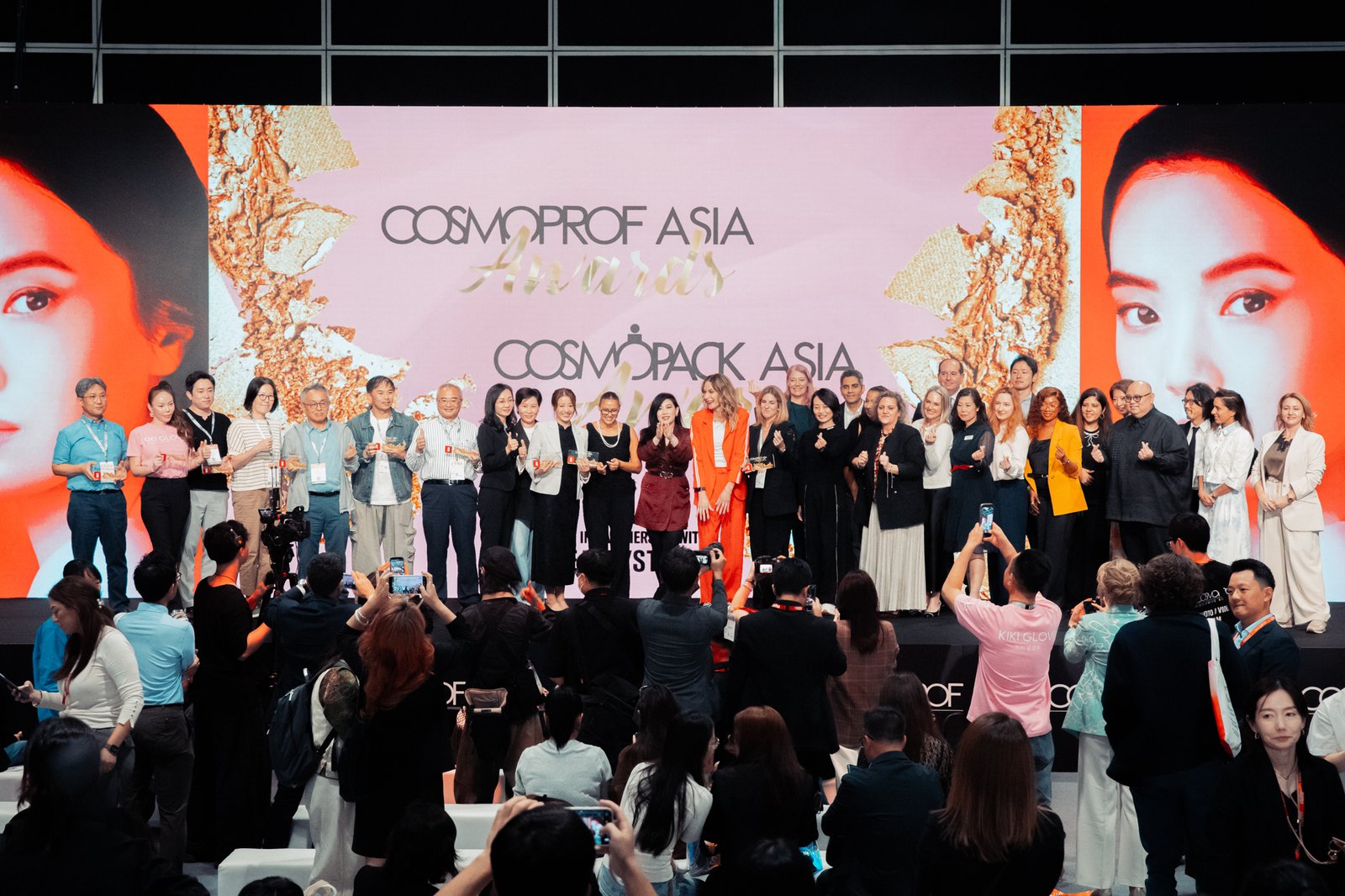
Through its Be Sustainable with Beauty initiative, Cosmoprof Asia highlighted 24 products from 19 companies shortlisted by SGS, the testing, inspection and certification group. The organisers’ 16 November announcement confirmed SGS’s role in the selection. It gave no product-level assessment results or details of the criteria used, so the shortlist serves as a starting point for buyers to examine individual claims.
The evidence a buyer needs depends on what a supplier promises. A recycled-content claim calls for documentation of the material and its share of the finished packaging. For a refill format, buyers need to know which parts customers keep, what each refill replaces and whether refills will be easy to obtain. A claim about responsible ingredient sourcing raises a different set of questions about origin, traceability and what any certification covers.
Fragrance puts the supply chain on display
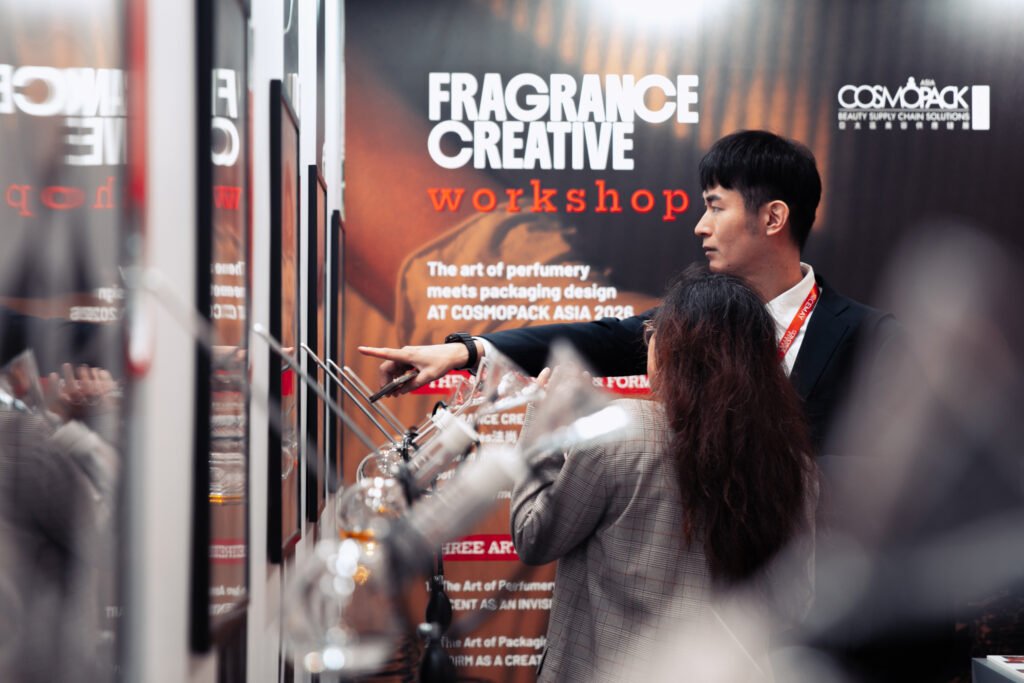
The show’s CosmoLab project offered a concrete illustration of how many businesses can be involved in bringing a single fragrance to market. Chinese fragrance company Xuelei led the concept and coordinated the project, CPL Aromas developed the scent, Baralan supplied the glass packaging and PengYu handled the secondary packaging. Each company was responsible for a different part of the finished product.
That division of labour matters when a brand wants to change its packaging. A decision about the bottle can affect the closure, the filling line and the outer carton. A sourcing team needs to understand which suppliers have to be involved, what each can document and whether the revised design can be manufactured at the volumes the brand requires.
Where responsible beauty claims are tested
Cosmoprof Asia’s two-venue format brought finished products and the companies behind them into the same trade event. It gave buyers a chance to follow a claim on a label back to the people who formulate the product, make the packaging or assemble the finished goods.
The most consequential conversations in Hong Kong may have happened around those practical questions. Before a brand can commit to a new material, an ingredient source or a refill system, it needs to know what its suppliers can verify and deliver consistently. That is where a promising trade-show exhibit becomes a production decision.
For more information, please visit Cosmoprof Asia’s official website.